
What to Do When Your Septic System Fails: A Step-by-Step Emergency Guide
A septic emergency never happens at a convenient time. One minute everything is fine, the next, you're dealing with backed-up drains, foul odors in your home, or sewage surfacing in your yard. Knowing what to do (and what not to do) in those first critical minutes can save you thousands of dollars and protect your family's health. Emergency septic pumping is often the first line of response, but there are steps you need to take before the truck arrives. This guide walks you through exactly what to do when your septic system fails, from the moment you notice something is wrong to the call that gets it resolved.
How to Know If You're Dealing With a True Septic Emergency
Not every slow drain is a crisis, but some signs demand immediate action. Here's how to tell the difference:
• Raw sewage backing up into toilets, sinks, or tubs — this is the clearest sign of system failure and a health emergency.
• Strong sewage odor inside your home — if the smell is persistent and coming from drains, your system is overwhelmed.
• Sewage surfacing in your yard — any untreated wastewater visible above ground is a sanitation hazard.
• Multiple drains gurgling or slow at the same time — a single slow drain may be a clog, but multiple fixtures acting up points to the septic system.
• Bright green, spongy grass over the drain field — when effluent surfaces, it fertilizes the grass above it. It looks lush, but it’s a warning sign.
If you’re seeing one or more of these signs, you’re likely dealing with a real emergency. For a deeper look at what these symptoms mean, visit our page on signs your septic system needs immediate attention.
Step 1 — Stop Using Water Immediately
The moment you suspect septic failure, stop adding water to the system. Every flush, every load of laundry, every shower pushes more liquid into a tank and drain field that are already maxed out. This makes the problem worse and can turn a manageable issue into major damage.
Shut down:
• Dishwasher and washing machine
• Showers, baths, and sinks
• Any unnecessary toilet flushes
If sewage is actively backing up into your home, avoid those fixtures entirely until a professional has assessed and resolved the problem.
Step 2 — Keep People and Pets Away From Affected Areas
Sewage contains harmful bacteria, viruses, and pathogens. If you have standing water in your yard above the drain field, or sewage has entered your home, treat those areas as contaminated zones.
• Keep children and pets completely away from the yard where sewage is surfacing
• Don’t walk through affected areas indoors without protective footwear
• Avoid touching anything that’s come into contact with sewage without gloves
• Open windows to ventilate any affected indoor areas
This isn’t about panic — it’s about protecting your family while you get the situation under control.
Step 3 — Call for Emergency Septic Pumping
This is the step most homeowners delay, and that delay usually makes things more expensive. Emergency septic pumping relieves the pressure in your tank quickly, which stops sewage from continuing to back up into your home or yard. In most cases, it’s the single most effective thing you can do in the first hour of a septic emergency.
When you call, be ready to share:
• The address and how to find your tank access (if you know it)
• What symptoms you’re seeing and when they started
• Whether sewage is surfacing inside, outside, or both
• How long it’s been since the tank was last pumped (if you know)
The more detail you provide, the faster the technician can arrive prepared. Not sure where your tank is located? Our septic system maintenance page has helpful information on tank access and what to expect during a service visit.
Step 4 — Don’t Try to Fix It Yourself
It’s tempting to try to handle things on your own — but there are some things that are genuinely dangerous to attempt without the right training and equipment.
Avoid these DIY attempts during a septic emergency:
• Opening the tank lid yourself — septic tanks release toxic gases including hydrogen sulfide. Exposure can cause rapid loss of consciousness.
• Pouring chemicals down the drain — bleach, drain cleaners, and antibacterial products kill the bacteria your system depends on to function.
• Digging around the drain field — you can damage pipes and distribution boxes without knowing what’s underground.
• Pumping the tank yourself — if the drain field is saturated, pumping without addressing the root cause can cause the empty tank to shift or float.
Step 5 — Understand What Happens During Emergency Septic Pumping
When the emergency septic pumping truck arrives, here’s a quick look at what to expect:
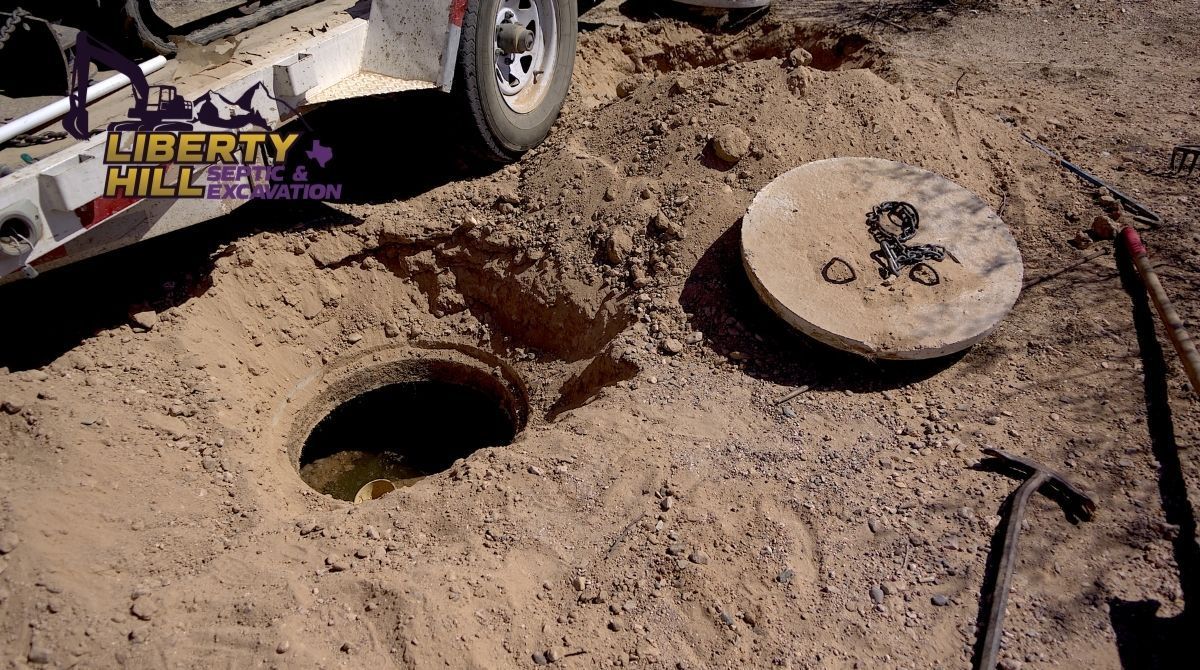
• Tank location and access: The technician will locate your tank and remove the access lid. If the lid is buried, they may need to dig to reach it.
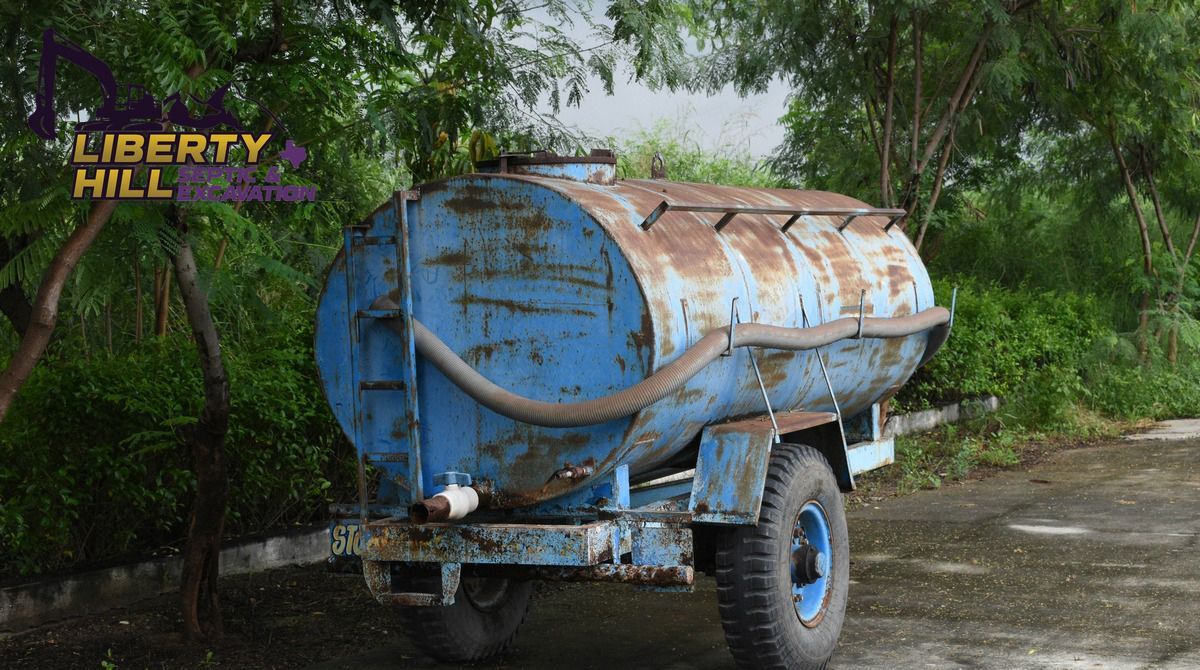
• Pumping: The contents of the tank — solids, liquids, and scum layer — are vacuumed into the truck’s holding tank.
• Visual inspection: A good technician will look at the tank walls, baffles, and inlet/outlet pipes while the tank is empty to check for cracks or damage.
• Assessment and next steps: The tech will give you their read on what caused the failure and what repair or follow-up work may be needed.
Pumping gives your system immediate relief, but it’s not always a permanent fix. If the drain field is damaged or the tank itself is cracked, additional work will be needed. That’s normal — and your technician should explain your options clearly before any repair work begins.
Common Causes of Septic System Failure
Understanding why your system failed helps prevent the next emergency. The most common causes include:
• Overfull tank: The most common and most preventable cause. Tanks should be pumped every 3–5 years, depending on household size.
• Drain field saturation: Soil that’s saturated from heavy rain or poor grading can’t absorb effluent, causing backup. Hill Country soil, rocky, clay-heavy is especially prone to this.
• Grease and solids buildup: Cooking grease, wipes labeled “flushable,” and other solids don’t break down properly and clog the system faster than normal waste.
• Root intrusion: Tree and shrub roots are drawn to the moisture in drain field pipes and can crack or block them over time.
• Aging or damaged components: Concrete tanks crack. Baffles deteriorate. Older systems simply wear out, especially without regular maintenance.
For a full rundown on what failure looks like before it becomes an emergency, read our post on top signs your septic system needs repair.
How Liberty Hill Septic & Excavation Can Help
We serve homeowners across Liberty Hill, Leander, Georgetown, Burnet, Bertram, Jarrell, Lampasas, and the surrounding Hill Country. When your system fails, you need someone local who knows the terrain, the soil conditions, and the systems common to Central Texas properties.
Our team provides:
• Emergency septic pumping to relieve pressure fast
• Full system inspections to identify the root cause of failure
• Repair and replacement services for tanks, drain fields, and distribution boxes see our full services page
• Residential and commercial septic solutions — residential | commercial
The Best Emergency Is the One That Never Happens
Most septic emergencies are preventable with routine maintenance. Here’s what regular care looks like:
• Get your tank pumped every 3–5 years (every 3 years for larger households)
• Schedule a professional inspection every 3 years — the EPA recommends it
• Watch what goes down the drain: no wipes, no grease, no harsh chemicals
• Keep heavy vehicles and deep-rooted plants away from the drain field
• Know where your tank and drain field are located before you need to find them fast
If it’s been more than three years since your last inspection, don’t wait for a warning sign. Read our piece on benefits of regular septic system maintenance to understand what a routine visit can catch before it becomes an emergency.
Helpful Resources
For general guidance on septic system care and what failure looks like, the U.S. Environmental Protection Agency (EPA) SepticSmart Homeowner Guide is a reliable starting point.
Texas homeowners can find state-specific regulations and licensed contractor requirements through the Texas Commission on Environmental Quality (TCEQ) On-Site Sewage Facilities resources.
The National Environmental Services Center (NESC) Septic System Owner’s Guide provides in-depth guidance on identifying and responding to system failures.
Don’t Wait — Call Liberty Hill Septic & Excavation
A septic emergency gets worse the longer you wait. Whether you’re dealing with backed-up drains, sewage in your yard, or a system that just isn’t acting right, the team at Liberty Hill Septic & Excavation is ready to help. We serve Liberty Hill, Leander, Georgetown, Burnet, Bertram, Jarrell, and the surrounding Hill Country with fast, honest septic service.
Call us today or schedule your service at libertyhillseptic.com/Contact — we’re here when it matters most.
_________________________________________________________________________
Frequently Asked Questions
How do I know if I need emergency septic pumping or if I can wait?
If sewage is backing up into your home, surfacing in your yard, or you’re smelling sewage inside, you need emergency septic pumping now — not next week. These are signs the tank is full or the system has failed. Waiting makes the damage worse and the repair more expensive. If you’re only seeing one slow drain and no other symptoms, it could be a simple clog — still worth a call to a pro to be sure.
How long does emergency septic pumping take?
The pumping itself usually takes 30 minutes to an hour, depending on tank size and how full it is. Locating and uncovering the access lid adds time if it’s buried. If the technician performs an inspection while the tank is empty — which we recommend — expect 1–2 hours total on-site.
Will pumping the tank fix the problem, or is more work needed?
Pumping gives the system immediate relief and stops the backup, but it doesn’t always fix the underlying cause. If your drain field is saturated or damaged, or if there’s a crack in the tank, additional repair work will be needed. A good technician will tell you what they find during the inspection and walk you through your options before anything else is done.
Is it safe to be in my home during a septic emergency?
It depends on the severity. If sewage has entered the home, keep exposure minimal and ventilate the affected areas well. Sewage contains harmful bacteria and pathogens. If you can stay in unaffected areas of the home while the situation is resolved, that’s fine. If sewage is widespread inside or you’re concerned about air quality, it may be safer to stay elsewhere until it’s cleaned up.
What causes a septic system to fail suddenly?
Most “sudden” failures have actually been building for a while. The most common triggers are an overfull tank (it reaches its limit and can’t accept more waste), a saturated drain field after heavy rain, a root intrusion that’s finally blocked a pipe, or a structural failure like a cracked baffle or collapsed pipe. Regular inspections and pumping every 3–5 years dramatically reduce the risk of sudden failure.
6. How much does emergency septic pumping cost in Central Texas?
Costs vary based on tank size, accessibility, time of day, and how much the technician needs to do on-site. Standard pumping in the Liberty Hill and greater Hill Country area generally ranges from $300–$600. Emergency or after-hours calls may carry a surcharge. The best way to get an accurate number is to call and describe your situation — we’ll give you an honest quote.