Why Heavy Rain Can Cause Septic Problems in Liberty Hill and Surrounding Areas
If you live in Liberty Hill, Leander, Georgetown, or anywhere across the Central Texas Hill Country, you know how fast the weather can turn. One afternoon of steady downpours can leave your yard soaked — and your septic system struggling. Septic problems after heavy rain are more common than most homeowners realize, and ignoring the early signs can turn a manageable issue into a costly repair. In this post, we'll walk you through exactly what happens to your system when the skies open up, what warning signs to watch for, and when it's time to call in the professionals.
How a Septic System Works — The Quick Version
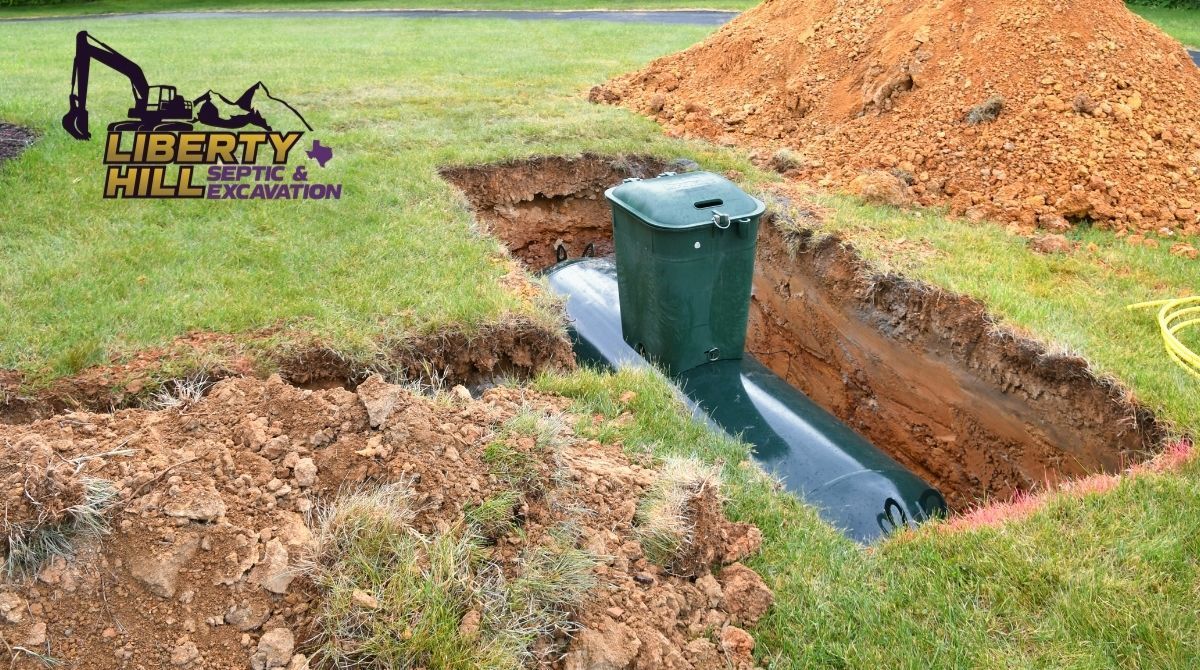
Before we get into the storm damage, it helps to understand the basics. Your septic system has two main parts: the tank and the drain field (also called the leach field). Waste from your home flows into the tank, where solids settle and liquid effluent flows out into the drain field to be absorbed into the surrounding soil. Learn more on our septic system maintenance page.
Everything works well when the soil can absorb that liquid at a normal rate. Heavy rain throws off that balance — and that's where the problems start.
What Happens to Your Septic System During Heavy Rain
When large amounts of rain fall in a short period, the ground becomes saturated. Saturated soil cannot absorb the effluent coming out of your drain field. When that happens, the liquid has nowhere to go — and it backs up. Here's the chain reaction:
• Rainwater seeps into the soil around your drain field, filling the pores that normally absorb effluent.
• Your tank may take on excess water through cracks, loose lids, or inlet pipes — especially in older systems.
• The drain field becomes overwhelmed, causing untreated wastewater to rise toward the surface.
• Backed-up pressure pushes waste back toward your home through drains and toilets.
Texas Hill Country soil, including the rocky and clay-heavy ground common around Liberty Hill and Burnet, is especially prone to slow drainage — which makes post-storm septic stress a real and recurring concern for area homeowners.
Warning Signs of Septic Problems After Heavy Rain
After a heavy storm, keep an eye out for these red flags. The sooner you catch them, the better.
1. Slow Drains or Gurgling Sounds
If your sinks, tubs, or toilets are draining slowly or making gurgling noises after rain, your system may be overwhelmed. This is often one of the first signs that something is off.
2. Sewage Odors Inside or Outside
A strong sewage smell — especially near your drain field or inside bathrooms — is a serious warning sign. It usually means wastewater is backing up or surfacing where it shouldn't.
3. Standing Water or Soggy Ground Over the Drain Field
If you notice wet, mushy ground or pooling water directly above your drain field after rain, that's a major indicator of a saturated or failing system. Read our post on why standing water in your yard should never be ignored for a deeper look at what's really going on underground.
4. Toilets That Won't Flush Properly
If your toilet is sluggish or you're hearing bubbling sounds after flushing, back-pressure from a full or flooded system may be to blame.
5. Bright Green Grass Over the Drain Field
It might look nice, but an unusually green, lush patch of grass over your drain field after rain often means effluent is surfacing and acting as a fertilizer. That's a sanitation concern, not a landscaping win.
What NOT to Do After Heavy Rain
If you suspect septic problems after heavy rain, here's what to avoid while you get things sorted:
• Don't do laundry, run the dishwasher, or take long showers. Every gallon of water you use adds pressure to an already-stressed system.
• Don't pump the tank immediately. Pumping a flooded tank without addressing the underlying drain field issue can cause the tank to float or shift.
• Don't ignore it and hope it resolves on its own. Saturated drain fields need time to recover — and sometimes they need professional attention to recover fully.
• Don't drive or park heavy vehicles over the drain field. Wet soil compresses easily, which can crush the pipes underneath.
What You Should Do Instead
Here's the smarter approach when rain has hit hard:
• Reduce water use inside your home for at least 24–48 hours after the storm.
• Walk the drain field area and look for the warning signs listed above. Check our signs your septic system needs immediate attention for a full checklist.
• If you see sewage surfacing, keep children and pets away from the area immediately — it's a health hazard.
• Call a licensed septic professional to inspect the system before the problem gets worse.
Why Liberty Hill and Surrounding Areas Are at Higher Risk
Central Texas gets weather that swings hard — drought conditions followed by heavy rainfall in short windows. This "feast or famine" rain pattern puts septic systems under repeated stress. Add in the region's soil composition (lots of limestone, clay, and caliche), and drainage can be seriously limited.
If your property is in Leander, Georgetown, Jarrell, or any of the communities across Williamson, Bell, or Burnet County, your system faces the same challenges. Older systems — especially those that haven't been pumped or inspected in several years — are the most vulnerable.
Regular maintenance is the single best thing you can do to make your system more resilient before storms hit. The EPA recommends having your septic system inspected at least every three years and pumped every three to five years, depending on household size.
How to Protect Your System Before the Next Storm
You can't control the rain, but you can control how prepared your system is when it arrives. Here are some steps to take before storm season ramps up:
• Schedule a professional inspection so you know the condition of your tank, drain field, and inlet/outlet baffles.
• Have your tank pumped if it's been more than three years. A tank with less solids handles excess water much better.
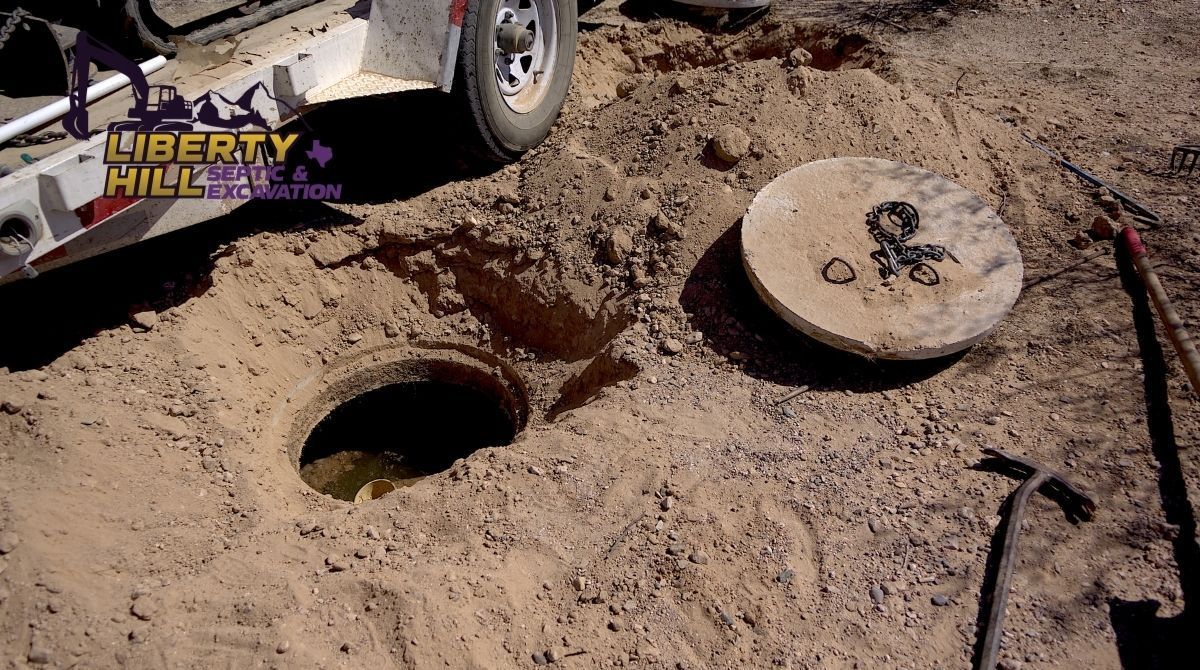
• Make sure your tank lid and access ports are sealed and in good condition to keep rainwater out.
• Check the grading around your drain field — water should flow away from it, not toward it.
• Avoid planting trees or shrubs near the drain field. Roots are a common cause of pipe damage.
Helpful Resources
For more information on how septic systems interact with groundwater and soil saturation, the U.S. Environmental Protection Agency (EPA) Septic Smart Guide is a reliable starting point.
The National Environmental Services Center (NESC) Septic System Owner's Guide also provides detailed guidance on how to identify and respond to system failures after rain events.
Texas homeowners can find additional state-specific information through the Texas Commission on Environmental Quality (TCEQ) on-site sewage facilities resources.
Frequently Asked Questions
1. How soon after heavy rain should I check my septic system?
You should do a visual walk of your drain field within 24 hours after a significant storm. Look for standing water, soggy ground, and any odors. If anything looks off, reduce water use inside and contact a septic professional.
2. Can heavy rain permanently damage a septic drain field?
It can, yes — especially if the system is already aging or was not properly sized for the household. Repeated flooding can compact the soil in the drain field, reducing its ability to absorb effluent long-term. If your drain field has flooded multiple times, a professional inspection is strongly recommended.
3. Is it safe to use my septic system during or right after heavy rain?
Try to minimize use as much as possible. Every flush, load of laundry, or shower adds more water to an already overwhelmed system. Reducing use for 24–48 hours after a major storm gives the drain field time to begin recovering.
4. Why does my toilet gurgle after it rains?
Gurgling usually means your drain field is saturated and back-pressure is building up in the pipes. When the soil can't absorb the outflow from the tank, pressure has nowhere to go but back — and you hear it in the pipes. This is a sign that the system needs attention.
5. How often should a septic system be inspected in a rainy climate?
At minimum, every three years — but in areas with heavy seasonal rainfall or clay-heavy soil like much of Central Texas, annual inspections can save you from costly surprises. Pumping every three to five years keeps the tank from getting too full and reduces the stress placed on the drain field during storms.
6. What should I do if sewage is surfacing in my yard?
Keep people and pets away from the area immediately. Surfacing sewage is a sanitation and health hazard. Call a licensed septic professional right away — this is not a wait-and-see situation.
Ready to protect your septic system before the next storm?
Don't wait until you're dealing with backed-up drains or soggy ground to take action. The team at Liberty Hill Septic & Excavation serves Liberty Hill, Leander, Georgetown, Burnet, and the surrounding Hill Country communities with honest, experienced septic service.
Schedule your inspection at libertyhillseptic.com/Contact — we're here when you need us.