
Septic System Treatment: Do Additives Actually Work?
Septic System Treatment: Do Additives Actually Work?
Walk down the cleaning aisle of any hardware store in Liberty Hill or Georgetown and you'll find shelves of septic treatment products promising to dissolve sludge, restore your drain field, and let you skip pumping forever. For twenty dollars a month, it sounds like cheap insurance. So homeowners ask us all the time: does septic treatment actually work? We'd rather give you the honest, science-backed answer than sell you a miracle, so here it is.
What Septic Treatment Additives Claim to Do
Septic treatment products fall into two broad categories, and they make very different claims:
- Biological additives: Packets, tablets, and liquids containing bacteria, enzymes, or yeast. These claim to boost the bacterial population in your tank, speed up waste breakdown, and reduce how often you need pumping.
- Chemical additives: Acids, alkalis, solvents, and degreasers. These claim to dissolve clogs, break up sludge, and clear grease from struggling systems.
The marketing on both is compelling. The research is a different story.
What the Research Actually Says
The U.S. Environmental Protection Agency has reviewed septic additives and does not recommend them for properly designed and maintained systems, because the evidence simply doesn't show they improve performance. The EPA's SepticSmart program puts its emphasis on routine inspection and pumping instead, and you can read their guidance for yourself on the EPA's septic care pages.
University research backs that up. A Washington State University Extension review looked at a study of 48 septic tanks and found no difference in sludge levels between tanks that used bacterial additives and tanks that didn't. The amount of bacteria in an additive dose is tiny compared to what's already living in your tank.
Why Your Tank Already Has the Bacteria It Needs
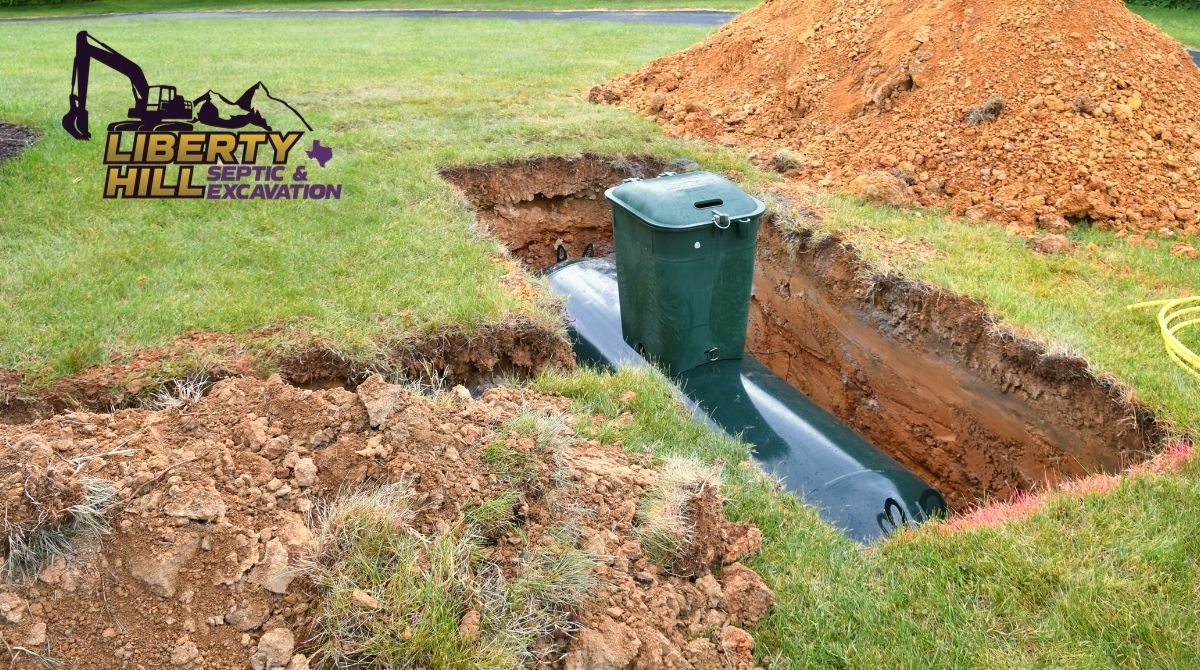
Here's the part the additive labels never mention: your septic system restocks its own bacteria every single day. Human waste carries billions of the exact bacteria your tank uses to digest solids, so every flush is a fresh delivery. A healthy tank doesn't need reinforcements, and pouring more bacteria in doesn't make the existing colony work faster.
What additives also can't touch is everything in your wastewater that isn't organic: grit, minerals, synthetic fibers, and plastics. Those settle to the bottom of the tank as sludge no matter what you pour in, and the only thing that removes them is a pump truck.
When Chemical Additives Can Actively Hurt Your System
Biological additives are mostly a waste of money. Chemical septic treatment products can be worse than that:
- They can kill your bacteria: Harsh acids and solvents wipe out the very organisms your tank depends on to break down waste.
- They can damage the tank itself: Corrosive chemicals can eat away at concrete tanks and components over time.
- They can wreck your drain field: Some solvents break sludge into fine particles that flow out of the tank and clog the soil in your drain field, which is the most expensive part of your system to replace.
- They can reach groundwater: In the Hill Country, where many homes sit over shallow rock and nearby wells, chemicals that pass through your system don't just disappear.
If you take one thing from this article, make it this: skip the chemical products entirely.
The One Situation Where a Biological Additive Might Help
There's a narrow exception. If your system's bacteria have been knocked out, for example after a long period of heavy antibacterial cleaner use or a medical situation that sent a lot of antibiotics through the system, a biological additive may help re-establish the colony. Even then, the right first step is an inspection, not a guess. A professional can tell you whether your system is actually struggling or just due for service.
What Actually Keeps a Septic System Healthy
The boring answer is the true one. The EPA recommends a professional inspection at least every three years and pumping every three to five years depending on household size, and no additive on the market changes that schedule. Routine service through our septic system maintenance page, timely pumping when the solids call for it, and watching what goes down your drains will do more for your system than any product on a store shelf. If you want the full case for staying on schedule, we've covered the benefits of regular septic system maintenance in an earlier post.
Ready for septic care that actually works? Liberty Hill Septic & Excavation gives homeowners across Liberty Hill, Leander, Georgetown, Burnet, and the surrounding Hill Country straight answers, honest inspections, and dependable pumping.
Call us or schedule online at libertyhillseptic.com/Contact and we'll tell you what your system really needs.
Frequently Asked Questions
Do septic tank additives replace pumping?
No. No additive has been shown to reduce sludge buildup enough to replace regular pumping. Grit, fibers, and other non-organic solids accumulate at the bottom of every tank regardless of what you add, and only pumping removes them.
Are products like monthly septic treatment packets harmful?
Biological packets (bacteria and enzymes) are generally harmless to the system. The bigger risk is the false confidence they create, since homeowners who use them often stretch their pumping schedule and end up with solids reaching the drain field.
Which septic additives should I absolutely avoid?
Chemical additives: acids, alkalis, solvents, and degreasers. These can kill the bacteria your tank needs, damage tank components, push solids into your drain field, and potentially reach groundwater.
Is there ever a good reason to use a biological additive?
Occasionally. If your tank's bacterial colony has been depleted, such as after prolonged heavy use of antibacterial cleaners or antibiotics in the household, a biological additive may help restart it. Get an inspection first so you're treating a real problem.
How often should my septic tank actually be pumped?
The EPA recommends pumping every three to five years for most households, with a professional inspection at least every three years. Household size, tank size, and water use all affect the timing, which is why measuring the sludge and scum layers during service beats guessing.
What's the best thing I can pour down the drain for my septic system?
Nothing. The healthiest septic systems get water, human waste, and septic-safe toilet paper, and not much else. Keeping grease, harsh chemicals, wipes, and food scraps out of your drains matters far more than anything you could add.