Benefits of Regular Septic System Maintenance with Liberty Hill Septic

November 6, 2024

Septic systems are vital for managing wastewater in many residential and commercial properties, yet they often go unnoticed until a problem arises. Routine septic maintenance is not only essential for extending the life of your system, but it also prevents costly repairs and protects your property and the surrounding environment. Here’s why investing in Liberty Hill Septic’s expert maintenance services can benefit both your wallet and peace of mind.


1. Prevent Expensive Repairs and Emergencies

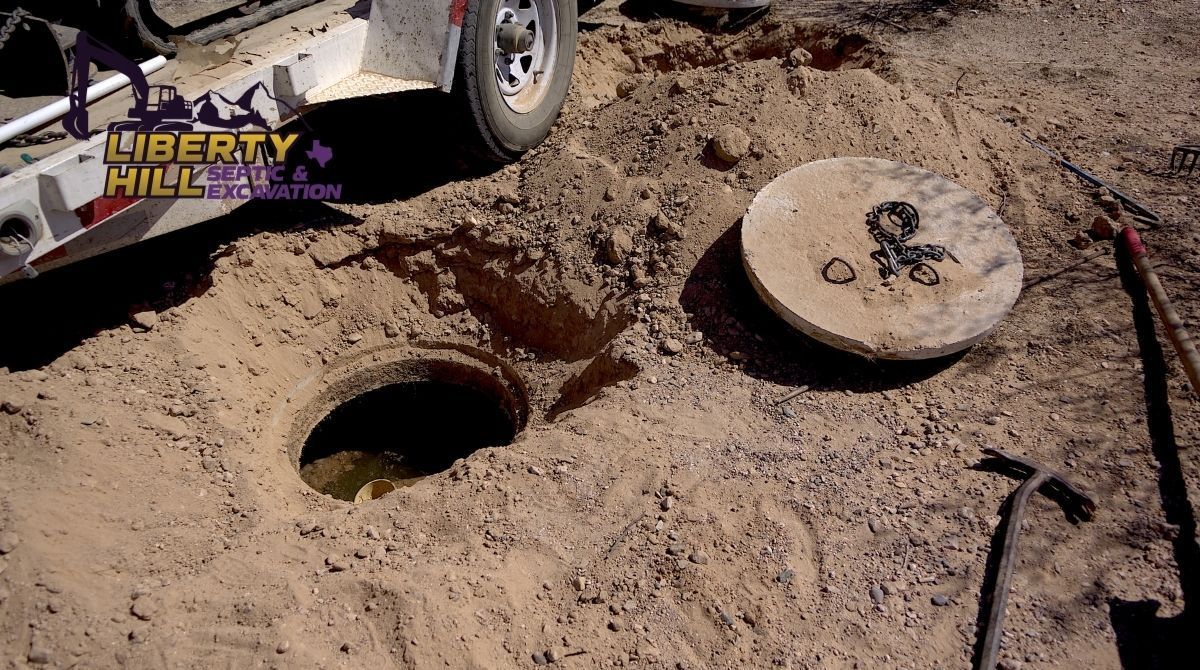
Routine septic maintenance can help prevent sudden issues that may lead to costly emergency repairs. Problems like clogged pipes, leach field backups, and septic tank overflow can all stem from neglected maintenance. During each scheduled service, Liberty Hill's professionals inspect the entire system, identifying any developing issues and addressing them before they worsen. Preventative maintenance, including regular pumping and inspections, keeps small problems from escalating into full system failures, often requiring expensive repairs or even complete system replacements.


2. Protect the Environment and Water Quality

A properly maintained septic system protects the surrounding soil and local water sources from contamination. When a system is left unchecked, untreated waste may seep into the soil or nearby water sources, posing environmental and health risks. Liberty Hill Septic follows all local regulations for septic system maintenance, ensuring that your system operates efficiently and without risk of leaks or overflow. This not only safeguards the quality of your property but also contributes to the protection of Liberty Hill’s environment, local streams, and water supplies.


3. Increase System Longevity and Efficiency

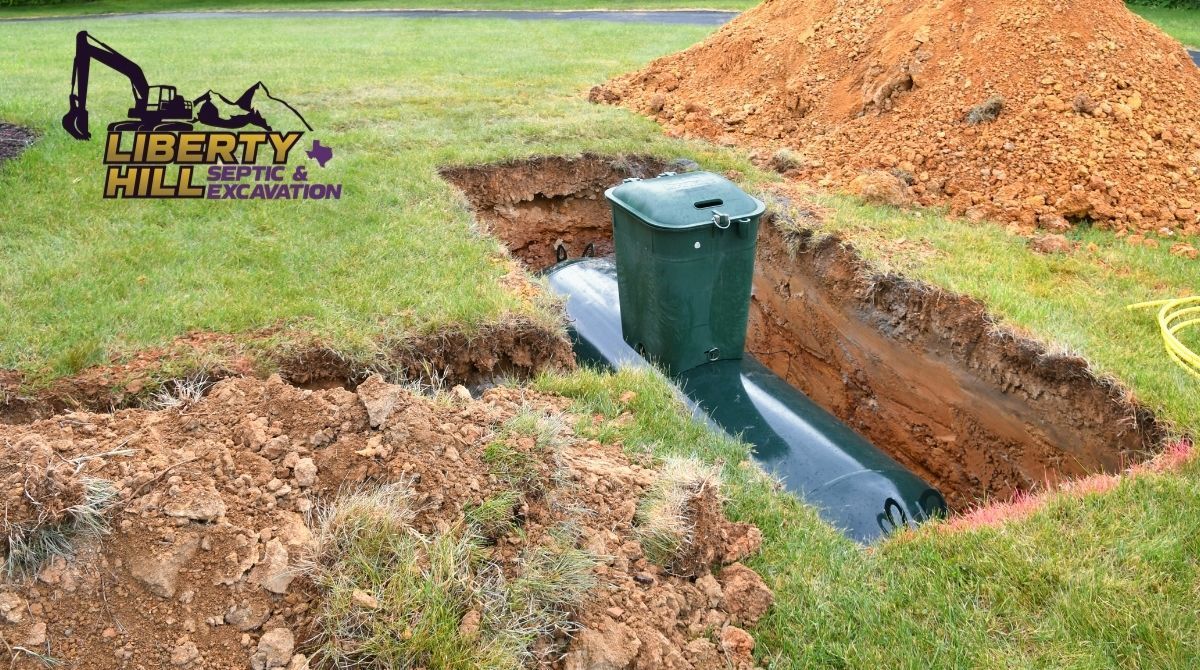
Septic systems are designed to last many years when maintained regularly, making maintenance a wise long-term investment. Liberty Hill Septic provides comprehensive services like tank cleaning, pumping, and checking for leaks and blockages, which helps avoid the buildup of solids that can damage the system. Each maintenance service keeps your system in optimal condition, enabling it to process wastewater efficiently and preventing costly wear and tear that shortens its lifespan. With Liberty Hill’s expert care, you can expect your septic system to serve you reliably for years to come.


4. Avoid Property Damage and Enhance Home Value

When septic systems fail, the effects are felt throughout your property, often resulting in standing water, foul odors, and soil degradation. Unchecked septic issues can lead to damaged landscaping, plumbing issues, and even structural damage in some cases. Regular maintenance by Liberty Hill Septic prevents these issues, helping to maintain a cleaner, more valuable property. Furthermore, a well-maintained septic system can add value to your property, a crucial factor when selling a home or commercial property.


Why Choose Liberty Hill Septic?

Liberty Hill Septic has years of expertise in septic maintenance, offering quality, reliability, and local knowledge tailored to meet residential and commercial needs in the Liberty Hill area. Our experienced technicians ensure every service meets local regulatory standards, providing clients with the highest level of care and ensuring that each system is inspected and maintained thoroughly.


With Liberty Hill, you’re not just maintaining a septic system; you’re investing in the long-term health of your property and the environment. Schedule your septic maintenance with Liberty Hill Septic today to experience the peace of mind that comes with a well-maintained, efficient septic system.

By Olivia Osterman • September 21, 2026
Own a ranch, venue, or small business in Williamson County? Learn what commercial septic tank maintenance actually requires under Texas rules.
By Olivia Osterman • September 7, 2026
Learn septic drain field maintenance tips and warning signs before fall. Protect the most expensive part of your septic system from failure.
By Olivia Osterman • August 5, 2026
Think your septic issue can wait? These 5 warning signs mean it's time for emergency septic tank repair here's what to watch for and do next.
By Olivia Osterman • July 29, 2026
Not sure what septic tank cleaning services include or how often you need one? Here's what's covered and how to plan your schedule.
July 22, 2026
Looking for a septic service near me in Central Texas? Learn what questions to ask, what licenses matter in TX, and red flags to avoid.
July 8, 2026
Septic system failure? Learn the warning signs, what to do, and when to call for emergency septic pumping in Liberty Hill, TX.
June 24, 2026
Heavy rain can cause serious septic problems in Liberty Hill, TX. Learn the warning signs, what to do, and when to call a pro.
June 13, 2026
There's nothing quite like a Texas summer evening on the back porch, until the smell hits you. If you've caught a whiff of something foul drifting up from your yard, near your drains, or around your tank lid, you're not imagining things. Summer heat has a way of turning minor septic odor problems into hard-to-ignore warning signs. And while a little smell isn't always a crisis, it's rarely something you should brush off. At Liberty Hill Septic & Excavation , we work with homeowners across the Hill Country and surrounding areas who are dealing with exactly this. Here's what those odors might be telling you, and what to do about it. Why Summer Makes Septic Odors Worse Warmer temperatures don't create septic problems out of nowhere, they amplify what's already there. The heat accelerates bacterial activity inside your tank, which can increase gas production. It also dries out the soil around your drain field, reducing the ground's ability to filter and absorb wastewater properly. Add in increased household water usage from summer guests, kids home from school, and outdoor activities, and your system is under more stress than it sees most of the year. That combination is a recipe for septic odor problems that were barely noticeable in March to become hard to ignore by July.
May 4, 2026
Seeing puddles hang around your yard long after the rain stops? It's more than just an eyesore especially here in Liberty Hill, where heavy rains and clay-rich soil can make drainage issues more common for homeowners. This standing water can be a sign of deeper issues that, if ignored, can cause real problems for your home and landscape. From killing your grass to potentially damaging your foundation, what seems like a minor inconvenience can quickly turn into a costly headache. Key Takeaways Standing water can damage grass, attract pests, and indicate poor drainage Soil conditions, grading, and gutter issues are common causes Long-term exposure to moisture can weaken your home’s foundation There are both simple and advanced solutions depending on the issue Addressing drainage early prevents expensive repairs later Why Standing Water Is More Than Just an Eyesore It’s easy to assume puddles will dry up on their own but when they don’t, it means water isn’t draining properly. Over time, this excess moisture begins to affect everything around it. Grass roots need oxygen to stay healthy. When soil stays waterlogged, those roots suffocate, leading to thinning patches, discoloration, and eventually dead areas in your lawn. At the same time, standing water creates the perfect breeding ground for mosquitoes and other insects. What starts as a small puddle can quickly turn into a recurring pest problem, making your yard less enjoyable and potentially affecting your family’s health. . What Causes Water to Collect in Your Yard? Water buildup usually points to an underlying issue with how your yard handles drainage. Some of the most common causes include: Compacted or Clay Soil Dense soil doesn’t absorb water well. Instead of soaking in, water sits on the surface and pools in low areas. Poor Yard Grading If your yard slopes toward your home even slightly water will naturally collect near your foundation instead of flowing away. Gutter and Downspout Problems Clogged gutters or short downspouts can dump large amounts of water right next to your home, overwhelming the soil’s ability to absorb it. Hidden Issues In some cases, underground plumbing leaks or irrigation problems can also contribute to constant wet spots, even when it hasn’t rained.
April 16, 2026
Spring in Central Texas means warmer days, greener lawns, and for many homeowners in Liberty Hill, it also means drainage problems start showing up fast. After months of winter buildup, your yard and septic system can struggle to keep up with heavy spring rains. At Liberty Hill Septic & Excavation , we see this every year, small drainage issues turning into costly repairs if they’re ignored. The good news? Most problems show early warning signs if you know what to look for. Key Takeaways Watch for standing water, this often signals grading or drainage issues that may require professional excavation Soggy lawns can indicate compacted soil or failing drainage systems Water near your foundation can lead to structural damage if not addressed quickly Gutters and downspouts should direct water far away from your home If issues persist, professional drainage and septic evaluation in Liberty Hill can prevent bigger problems Common Spring Drainage Issues Spring often brings a welcome change after a long winter, but it can also reveal some less-than-welcome drainage problems around your home. As the snow melts and the rains pick up, the ground can get saturated, and that's when issues that might have been hidden start to show themselves. It's like the earth is exhaling after being frozen, and sometimes, what comes out isn't pretty. Standing Water in the Yard One of the most obvious signs that something's up with your drainage is when puddles just refuse to disappear. You know, those spots in the yard that stay soggy for days after a good rain? This usually happens because the soil isn't absorbing water like it should. Maybe you have heavy clay soil that just doesn't let water through easily, or perhaps there are low spots in your yard that act like little bowls, collecting water instead of letting it flow away. This standing water isn't just an eyesore, it’s often a sign of improper grading or poor drainage design. In many Liberty Hill properties, clay-heavy soil makes this issue worse. A professional drainage solution, such as regrading or installing a French drain, can permanently fix the problem instead of just treating the symptoms. Soggy, Poorly Draining Lawns Related to standing water, a lawn that feels like a sponge even when it hasn't rained much lately is a big clue. You might notice your grass looks a bit sad or thin in certain areas, or maybe it feels squishy underfoot. This is often a sign of compacted soil. All winter long, foot traffic, snow, and just the general settling of the ground can pack the soil down so tightly that water can't penetrate. This lack of drainage stresses the grass roots, making the lawn more susceptible to disease and less resilient. Soil Erosion on Slopes If you have any slopes or hills in your yard, spring rains can be particularly harsh. Without good drainage and enough vegetation to hold the soil in place, water can just run right down, taking the topsoil with it. You might start seeing bare patches on the slope, exposed roots, or even small channels carved into the ground where the water has been flowing. This erosion doesn't just make your yard look messy; it can weaken the soil structure over time and potentially affect nearby structures like patios or walkways. It's a good idea to keep an eye on these areas, especially after heavy downpours, to catch any problems early before they get worse. Addressing these issues promptly can save you a lot of headaches down the road and help protect your property value. For more on preparing your home for the warmer months, you can check out spring home maintenance tasks . It's easy to ignore small signs of drainage trouble, especially when you're busy with other spring cleaning. However, these minor issues can quickly escalate into bigger, more expensive problems if left unaddressed. Paying attention to how water behaves on your property after rain is key to preventing damage. Yard Drainage Problems Revealed by Spring Weather Spring weather has a funny way of showing us what our yards have been hiding all winter. One minute it feels like summer, and the next, a good rain can turn your lawn into a soggy mess. This mix of wet weather and tired soil is often when a small drainage issue starts looking a lot bigger. It's usually not a dramatic flood that signals trouble; it's more like little hints that are easy to brush off. Saturated Soil and Spongy Ground Have you noticed a patch of grass that stays darker for days after the rest of the yard dries out? Or maybe the ground feels spongy in the same spot every time it rains, even if it wasn't a heavy downpour? That's a common early sign that your yard's drainage is struggling. The soil might be compacted, or perhaps the yard doesn't have the right slope to guide water away. When yard drainage is off, the ground can't absorb water like it should. Slow-Moving Surface Water Another clue is surface water that moves slowly, almost like it's hesitant to go anywhere. This often means the soil is compacted, or the yard's grading isn't directing water effectively. Healthy yard drainage allows water to spread out and soak in evenly. Poor drainage concentrates water, and over time, this can start to carve small channels in your lawn, especially near downspouts or high-traffic areas.