
Septic Drain Field Maintenance: How to Protect the Most Expensive Part of Your System
This is a subtitle for your new post
Most homeowners can tell you where their septic tank is. Far fewer know where their drain field is, or that it's actually the most expensive part of the whole system to replace. Good septic drain field maintenance is what keeps that cost from ever becoming your problem.
What Is a Drain Field, and Why Is It So Expensive to Replace?
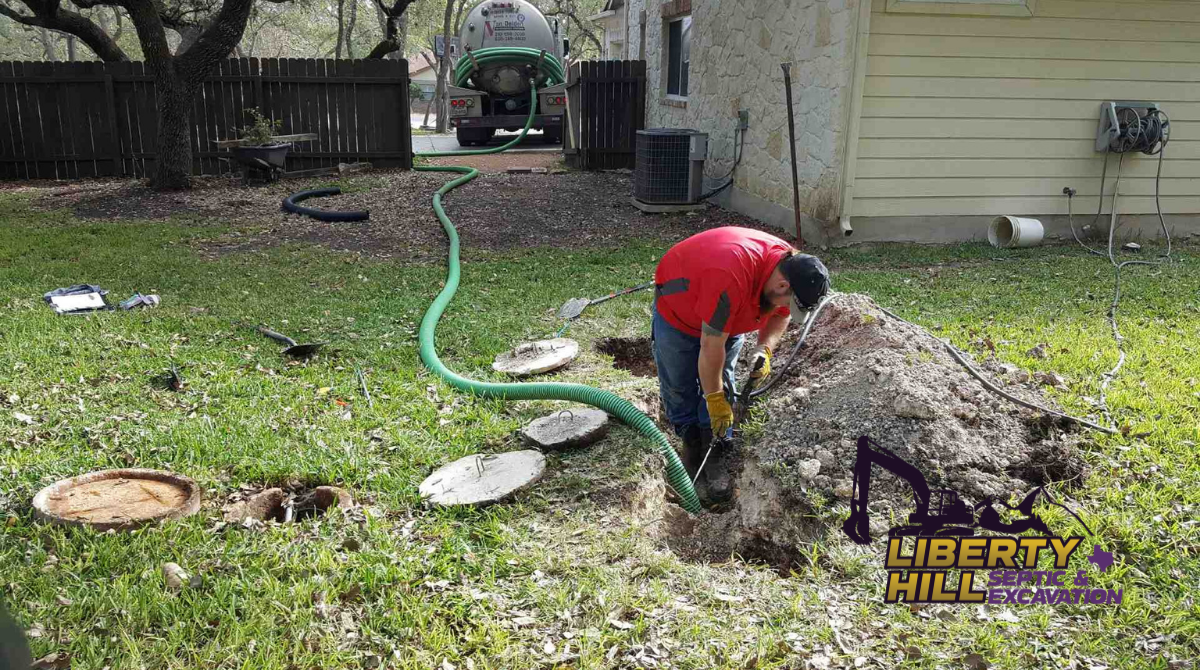
Your drain field, also called a leach field, is the network of underground pipes and gravel where treated wastewater from your tank slowly filters into the soil. It does the final, quiet work of cleaning your household's wastewater before it rejoins the ground. When a tank fails, it can usually be repaired or replaced on its own. When a drain field fails, the fix often means digging up a large section of your yard and starting over, which is a far bigger job and a far bigger bill.
That's exactly why septic drain field maintenance deserves more attention than most homeowners give it. A tank that's pumped on schedule protects the drain field by keeping solids from ever reaching it in the first place. You can see how the two work together on our septic system maintenance page.
Warning Signs Your Drain Field Needs Attention
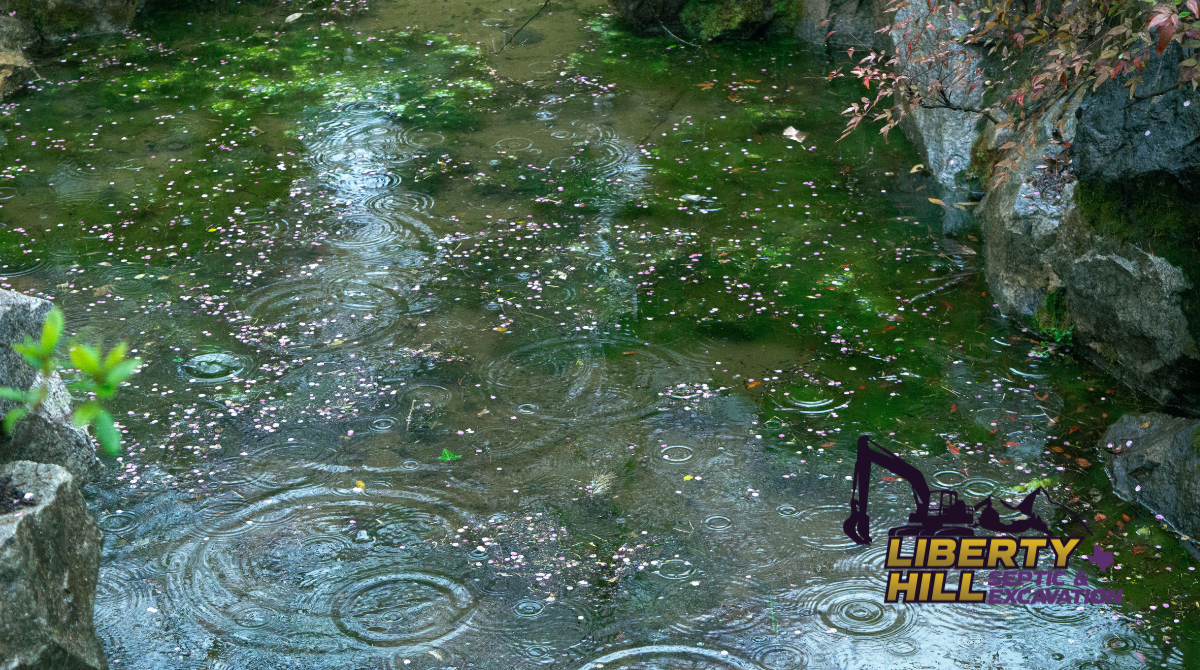
- Standing water or soggy patches: especially over the drain field area, even when it hasn't rained recently.
- A strong sewage smell outdoors: near the tank or field, not just inside the house.
- Slow drains throughout the house: not just in one sink or tub.
- Unusually green, lush grass: in a strip over the drain field compared to the rest of the yard.
- Gurgling sounds in pipes: after flushing or running water.
If you notice any of these, it's worth calling a professional before the problem gets worse. Catching an early warning sign is almost always cheaper than waiting for a full failure.
How to Protect Your Drain Field Year-Round
- Get your tank pumped on schedule: generally every three to five years depending on household size and usage.
- Keep vehicles, livestock, and heavy equipment off the drain field: compacted soil stops it from draining properly.
- Plant grass over the field, not trees or shrubs: nearby roots can grow into and damage the pipes.
- Space out high water-use activities: like laundry loads, instead of running them all at once.
- Never flush wipes, grease, or harsh chemicals: all of which stress the tank and can shorten your drain field's life.
The EPA's SepticSmart program has more detail on how a healthy drain field actually works and how to keep it that way.
Fall is actually one of the best times to schedule septic drain field maintenance. It's before the wetter winter months put extra pressure on a system that might already be struggling, and it's ahead of the holiday season when your household water use tends to spike with guests in town.
Why Regular Maintenance Pays for Itself
A drain field replacement is one of the largest expenses a septic system owner can face. Routine septic drain field maintenance, on the other hand, is a small, predictable cost that protects your property value and avoids an emergency dig-up you didn't budget for. The National Environmental Services Center has additional background on how onsite systems like drain fields are meant to function over their full lifespan.
Ready to get ahead of it this fall? Call Liberty Hill Septic & Excavation or schedule online at libertyhillseptic.com/Contact to book an inspection and pump-out before the season changes. We serve Liberty Hill, Leander, Georgetown, Bertram, and the surrounding Central Texas communities, and we're happy to walk you through exactly what your system needs.
Frequently Asked Questions
How often should I schedule septic drain field maintenance?
Most homeowners should have their tank pumped every three to five years, which is the single biggest thing you can do to protect the drain field. Your specific schedule depends on household size, water use, and tank size.
What's the difference between a septic tank problem and a drain field problem?
A tank problem usually shows up as slow drains or the need for pumping. A drain field problem often shows up as standing water, soggy ground, or a sewage smell in the yard, and it's a much bigger repair.
Can I plant a garden over my drain field?
Grass is fine and even recommended, but avoid trees, shrubs, and deep-rooted plants near the drain field, since their roots can grow into and damage the pipes over time.
Why is fall a good time for septic drain field maintenance?
Fall maintenance gets ahead of wetter winter weather, which adds extra pressure to a struggling system, and it's timed before holiday guests increase your household's water use.
How do I know if my drain field has already failed?
Signs include standing water over the field, a persistent sewage odor, unusually green grass in one area, and slow drains throughout the house. If you see more than one of these, call a professional right away.
Is drain field replacement really more expensive than tank repair?
Yes. Tank issues are often a repair or a straightforward replacement. A failed drain field typically means digging up a large section of yard and rebuilding the system, which costs significantly more.