Common Drainage Problems Homeowners Notice in Spring

April 16, 2026

Spring in Central Texas means warmer days, greener lawns, and for many homeowners in Liberty Hill, it also means drainage problems start showing up fast. After months of winter buildup, your yard and septic system can struggle to keep up with heavy spring rains.

At Liberty Hill Septic & Excavation, we see this every year, small drainage issues turning into costly repairs if they’re ignored. The good news? Most problems show early warning signs if you know what to look for.

Key Takeaways

  • Watch for standing water, this often signals grading or drainage issues that may require professional excavation
  • Soggy lawns can indicate compacted soil or failing drainage systems
  • Water near your foundation can lead to structural damage if not addressed quickly
  • Gutters and downspouts should direct water far away from your home
  • If issues persist, professional drainage and septic evaluation in Liberty Hill can prevent bigger problems

Common Spring Drainage Issues

Spring often brings a welcome change after a long winter, but it can also reveal some less-than-welcome drainage problems around your home. As the snow melts and the rains pick up, the ground can get saturated, and that's when issues that might have been hidden start to show themselves. It's like the earth is exhaling after being frozen, and sometimes, what comes out isn't pretty.

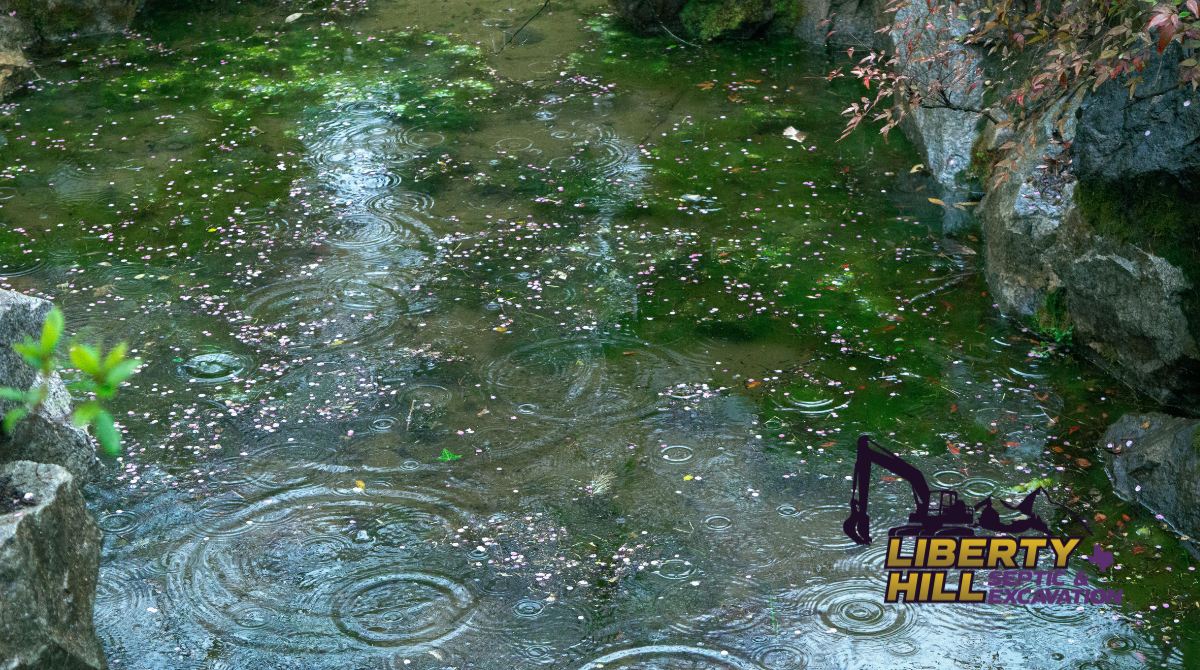
Standing Water in the Yard

One of the most obvious signs that something's up with your drainage is when puddles just refuse to disappear. You know, those spots in the yard that stay soggy for days after a good rain? This usually happens because the soil isn't absorbing water like it should. Maybe you have heavy clay soil that just doesn't let water through easily, or perhaps there are low spots in your yard that act like little bowls, collecting water instead of letting it flow away. This standing water isn't just an eyesore, it’s often a sign of improper grading or poor drainage design. In many Liberty Hill properties, clay-heavy soil makes this issue worse.

A professional drainage solution, such as regrading or installing a French drain, can permanently fix the problem instead of just treating the symptoms.

Soggy, Poorly Draining Lawns

Related to standing water, a lawn that feels like a sponge even when it hasn't rained much lately is a big clue. You might notice your grass looks a bit sad or thin in certain areas, or maybe it feels squishy underfoot. This is often a sign of compacted soil. All winter long, foot traffic, snow, and just the general settling of the ground can pack the soil down so tightly that water can't penetrate. This lack of drainage stresses the grass roots, making the lawn more susceptible to disease and less resilient.

Soil Erosion on Slopes

If you have any slopes or hills in your yard, spring rains can be particularly harsh. Without good drainage and enough vegetation to hold the soil in place, water can just run right down, taking the topsoil with it. You might start seeing bare patches on the slope, exposed roots, or even small channels carved into the ground where the water has been flowing. This erosion doesn't just make your yard look messy; it can weaken the soil structure over time and potentially affect nearby structures like patios or walkways. It's a good idea to keep an eye on these areas, especially after heavy downpours, to catch any problems early before they get worse. Addressing these issues promptly can save you a lot of headaches down the road and help protect your property value. For more on preparing your home for the warmer months, you can check out spring home maintenance tasks.


It's easy to ignore small signs of drainage trouble, especially when you're busy with other spring cleaning. However, these minor issues can quickly escalate into bigger, more expensive problems if left unaddressed. Paying attention to how water behaves on your property after rain is key to preventing damage.

Yard Drainage Problems Revealed by Spring Weather

Spring weather has a funny way of showing us what our yards have been hiding all winter. One minute it feels like summer, and the next, a good rain can turn your lawn into a soggy mess. This mix of wet weather and tired soil is often when a small drainage issue starts looking a lot bigger. It's usually not a dramatic flood that signals trouble; it's more like little hints that are easy to brush off.

Saturated Soil and Spongy Ground

Have you noticed a patch of grass that stays darker for days after the rest of the yard dries out? Or maybe the ground feels spongy in the same spot every time it rains, even if it wasn't a heavy downpour? That's a common early sign that your yard's drainage is struggling. The soil might be compacted, or perhaps the yard doesn't have the right slope to guide water away. When yard drainage is off, the ground can't absorb water like it should.

Slow-Moving Surface Water

Another clue is surface water that moves slowly, almost like it's hesitant to go anywhere. This often means the soil is compacted, or the yard's grading isn't directing water effectively. Healthy yard drainage allows water to spread out and soak in evenly. Poor drainage concentrates water, and over time, this can start to carve small channels in your lawn, especially near downspouts or high-traffic areas.

Signs of Water Intrusion Near Your Home
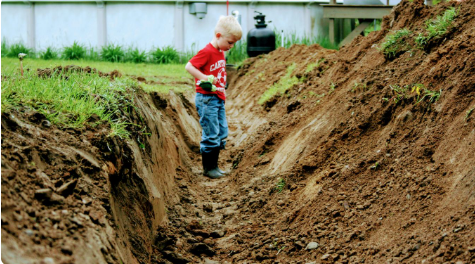
Sometimes, the first signs that water isn't draining properly aren't in the yard itself, but right up against your house. You might not even realize it's a drainage issue at first. Think about those times after a good rain when you notice puddles forming near the foundation. It's easy to dismiss, but if it happens often, it means water is collecting where it shouldn't be.

Water Pooling Near the Foundation

This is a pretty direct clue. If you see water consistently gathering around the base of your home after it rains, that's a big signal. It could be that the ground around your foundation has settled, creating a low spot, or maybe your landscaping slopes the wrong way. This pooling can put extra pressure on your foundation over time, and nobody wants that.

Moisture Issues in Basements

If your basement has started to feel damp, or you're seeing musty smells or even visible water stains on the walls or floor, it's a strong indicator that water is finding its way in. This often happens when the soil outside is saturated for too long, and the moisture eventually seeps through the foundation walls. It's not just about the rain outside; it's about what that water is doing underground near your home.

Green Staining on Hard Surfaces

Ever notice a greenish film or staining on your concrete walkways, patios, or even the side of your house after a wet spell? That's often algae or mold growth, which thrives in damp conditions. If these stains appear and stick around, especially on surfaces that don't get a lot of direct sun, it suggests that water is sitting there longer than it should, not draining away effectively. It's a subtle sign, but it tells a story about persistent moisture.

Outdoor Plumbing and Drainage Concerns

Clogged Outdoor Drains

Spring rains can quickly clog outdoor drains with leaves and debris, causing water to pool around your property. If left unchecked, this can lead to flooding and drainage issues. A quick cleanout can help, but for recurring problems, a professional solution may be needed.

At Liberty Hill Septic & Excavation, we ensure your drainage system is built to move water away from your home before it causes damage.

Hose Bibs and Irrigation Leaks

Outdoor faucets and sprinkler systems often develop small leaks after winter. Even minor drips can lead to wasted water or soggy areas in your yard. Turn everything on early in the season and check for leaks to prevent bigger issues later.

Downspouts Too Close to the Foundation

If your downspouts are dumping water too close to your home, it can saturate the soil and put your foundation at risk. Make sure water is directed several feet away—or consider a more permanent drainage solution if this is an ongoing issue.

Sump Pump Readiness for Spring Rains
After winter, your sump pump may not be ready for the heavy spring rains. A quick check now can prevent costly water damage later.

Test It Before You Need It

Pour water into the sump pit and make sure the pump turns on and drains water away from your home. Check that the float switch moves freely and isn’t stuck.

Listen for Warning Signs

A properly working pump should run smoothly. If you hear grinding, loud humming, or banging, it could signal a problem that needs professional attention.

Make Sure Water Drains Away

Even if the pump works, poor drainage can still cause issues. Ensure the discharge pipe is clear and directs water at least several feet away from your foundation.

Internal Plumbing Challenges in Spring

Spring can reveal hidden plumbing issues inside your home after months of winter use. Catching these early can prevent costly repairs and water damage.

Slow Drains

If water is draining slowly, buildup from grease, soap, and debris may be restricting your pipes. This is often the first sign of a developing clog.

Recurring Backups

Frequent backups in sinks or tubs indicate a more serious blockage. In some cases, tree roots can invade sewer lines, something we commonly see in Central Texas.

Leaks and Water Damage

Small cracks from winter can turn into leaks as water usage increases. Watch for water stains, musty smells, or damp areas around pipes, these are early warning signs of bigger problems.

What to Watch For

  • Water stains on walls or ceilings
  • Musty odors near plumbing areas
  • Higher-than-normal water bills
  • Visible moisture around pipes

Landscaping Clues to Drainage Issues

Sometimes, the most obvious signs of drainage problems aren't puddles or floods, but what's happening with your plants and the soil around them. Your yard's landscaping can actually be a pretty good indicator that water isn't moving the way it should.

Saturated Root Zones Affecting Plants

Think about your plants. If a shrub or tree seems to do okay during the summer but then struggles when spring rolls around, it might be because its roots are sitting in cold, wet soil for too long. This lack of air circulation around the roots can stress them out, making them more vulnerable. It's like trying to breathe underwater – not ideal for anyone, or anything, really. Some areas might even develop a musty smell after a good rain, which is another hint that things are staying too damp for too long.

Mossy or Thin Lawn Edges

Ever notice that the grass right next to your patio or a walkway is always thin, or maybe it's covered in moss? It's easy to blame the grass itself, but often, it's a water issue. That constant dampness can prevent air from getting to the grass roots, weakening the turf. Over time, this stressed-out edge becomes an easy spot for weeds to move in because the grass just can't compete. It’s a subtle clue, but it tells you that water is lingering where it shouldn't be.

Mulch Drifting From Beds

This one might seem minor, but if you find your mulch constantly washing out of garden beds, especially after rain, it's a sign. Water runoff can push the mulch downhill, and if it keeps happening in the same spots, it means water is collecting and moving with some force. The soil along the edges of your beds might also start to soften and slide. It’s like the water is trying to reshape your landscape for you, and not in a good way.


"Paying attention to these smaller landscaping hints can save you a lot of trouble down the road. They're like the early warning signals your yard is sending you before a minor drainage issue turns into a bigger, more expensive problem. Catching these signs early means you can address the root cause – pun intended – before it impacts your home's foundation or your enjoyment of your outdoor space."

Protecting Your Property with Drainage Repair

Spring showers are great for the garden, but they can also reveal some serious drainage issues around your home. Ignoring these problems can lead to bigger headaches down the road, like foundation damage or a soggy yard that never dries out. It’s all about catching these things early and fixing them right.

Importance of Early Detection

Spotting drainage problems when they're small makes a huge difference. Think of it like a small leak in your roof – you fix it before it causes water damage inside. The same goes for your yard. When water sits too long, it can weaken soil, kill grass, and even start to seep into your home's foundation. Keeping an eye out for standing water, unusually wet spots, or soil washing away after rain is key. These are the early warning signs that tell you it's time to act.

  • Standing water after a rain event.
  • Soggy ground that stays wet for days.
  • Visible soil erosion, especially on slopes.
  • Moisture or water in your basement or crawl space.

When to Seek Professional Drainage Repair

Sometimes, a DIY fix just won't cut it. If you've got persistent puddles, water pooling near your foundation, or significant erosion, it's probably time to call in the pros. They have the tools and knowledge to figure out the root cause, whether it's grading issues, compacted soil, or a problem with underground water flow. A professional can design a system, like a French drain or a grading adjustment, that actually solves the problem instead of just masking it. Trying to fix complex drainage issues without the right expertise can sometimes make things worse, creating new problems elsewhere on your property.


"Professional drainage solutions are tailored to your specific property. What works for one yard might not be the best fit for another. Experts can assess factors like soil type, landscape contours, and rainfall patterns to create an effective, long-term plan."

Preventive Measures for Future Issues

Once you've tackled current drainage problems, think about how to stop them from coming back. This might involve simple landscaping changes, like adding plants with deep roots to help hold soil on slopes, or making sure your gutters and downspouts are directing water well away from your house. Regular maintenance is also a big part of prevention. Cleaning out gutters, checking for clogs in outdoor drains, and aerating your lawn can go a long way. It’s about creating a yard that handles water naturally and efficiently, so you’re not dealing with the same soggy surprises next spring.

Gutter System Maintenance for Spring

Spring rains are no joke, and if your gutters aren't up to the task, you could be looking at some serious water damage. It’s easy to forget about them during the winter, but now's the time to give them some attention. Clearing out debris is the most important first step to make sure water flows where it's supposed to.

Clogged Gutters and Downspouts

Leaves, twigs, and whatever else the winter winds blew around can really pile up in your gutters. When they get clogged, water has nowhere to go but over the sides, and that's usually right down next to your foundation. It’s a common problem, especially if you have trees nearby. You might notice water spilling over the edge even with a light rain, or maybe you see a whole lot of gunk when you look up there.

  • Inspect for blockages: Look for obvious leaf and debris buildup.
  • Flush with water: Use a hose to gently clear out any remaining muck.
  • Check downspout extensions: Make sure they aren't blocked or disconnected.

Overflowing Gutters Near Foundation

This is where things can get dicey. When gutters overflow right next to your house, that water seeps into the ground around your foundation. Over time, this can lead to serious issues like basement flooding or even structural damage. It’s like giving your foundation a constant, unwanted shower. You might see standing water near the house after it rains, or notice damp spots in your basement that weren't there before. Addressing this is key to preventing storm damage.

Ensuring Proper Gutter Slope

Gutters aren't just meant to catch water; they need to direct it away. That means they need to be installed with a slight slope, usually towards the downspouts. If they're flat or sagging in the middle, water will just sit there, which isn't good for the gutters themselves or for your roof. You can often spot this if you see puddles forming in the gutters long after the rain stops. A proper slope helps water move efficiently, preventing those annoying little pools that can cause rust or ice dams later on.


"Keeping your gutters clean and properly sloped is a simple yet effective way to protect your home's exterior and interior from water damage. It's a small bit of maintenance that pays off big time when the spring storms roll in."

As spring arrives, it's time to give your home's gutters some much-needed attention. Clearing out leaves and debris prevents water damage and keeps your foundation safe. Don't let clogged gutters cause problems; visit our website for expert tips and services to ensure your home is protected all season long.

Don't Let Spring Showers Ruin Your Home

So, spring is here, and while it's great to see the flowers bloom, it also means dealing with potential water issues around the house. We've talked about clogged drains, sump pump worries, and those sneaky leaks that can pop up after a long winter. It might seem like a lot, but catching these problems early really makes a difference.

Don’t wait until a small drainage issue turns into a major repair. Whether you're dealing with standing water, foundation concerns, or septic system strain, early action makes all the difference.

Liberty Hill Septic & Excavation provides expert drainage solutions, grading, and septic services tailored to Central Texas properties.

Get ahead of spring drainage problems schedule an inspection with our team today and protect your home from costly damage.

Frequently Asked Questions

Why does my yard get so wet in the spring?

In spring, melting snow and more rain can make your yard soggy. If your soil is packed tight or has low spots, water can't soak in easily. This causes puddles and makes the ground feel spongy, especially after it rains.

What are signs that water is getting too close to my house's foundation?

Look for water puddles right next to your house. You might also see damp spots in your basement or even weird green stains on the outside walls near the ground. These suggest water isn't flowing away like it should.

My gutters seem to be overflowing. Is this a big deal?

Yes, overflowing gutters are a problem. They can't move rainwater away from your house, so the water spills onto the ground near your foundation. This can lead to serious water damage over time.

What's a sump pump and why do I need to check it in the spring?

A sump pump is a device in your basement that pumps out water if it starts to build up. Since it might not have been used all winter, you need to test it in the spring to make sure it's working right before heavy rains arrive.

Why are my drains suddenly draining slower in the spring?

After a winter spent mostly indoors, your plumbing gets a lot more use in the spring with cleaning and guests. Things like grease, soap, and other gunk can build up, making drains slow down.

I see small piles of dirt after it rains. What does that mean?

Those little dirt piles often mean water is washing soil away from your yard. It’s a sign that water isn't soaking into the ground properly and is instead running across the surface, carrying dirt with it.

How can my plants tell me about drainage problems?

If plants struggle in the spring even when they look fine later, their roots might be sitting in cold, wet soil for too long. Also, if moss grows a lot on the edge of your lawn next to a patio, it could mean that spot stays too wet.

What should I do if I find a leak or a clog?

For small leaks, try to find the source and turn off the water valve to that area. For major leaks or persistent clogs, it's best to call a plumber right away to prevent more damage.

By Olivia Osterman August 5, 2026
Think your septic issue can wait? These 5 warning signs mean it's time for emergency septic tank repair here's what to watch for and do next.
By Olivia Osterman July 29, 2026
Not sure what septic tank cleaning services include or how often you need one? Here's what's covered and how to plan your schedule.
July 22, 2026
Looking for a septic service near me in Central Texas? Learn what questions to ask, what licenses matter in TX, and red flags to avoid.
July 8, 2026
Septic system failure? Learn the warning signs, what to do, and when to call for emergency septic pumping in Liberty Hill, TX.
June 24, 2026
Heavy rain can cause serious septic problems in Liberty Hill, TX. Learn the warning signs, what to do, and when to call a pro.
June 13, 2026
There's nothing quite like a Texas summer evening on the back porch, until the smell hits you. If you've caught a whiff of something foul drifting up from your yard, near your drains, or around your tank lid, you're not imagining things. Summer heat has a way of turning minor septic odor problems into hard-to-ignore warning signs. And while a little smell isn't always a crisis, it's rarely something you should brush off. At Liberty Hill Septic & Excavation , we work with homeowners across the Hill Country and surrounding areas who are dealing with exactly this. Here's what those odors might be telling you, and what to do about it. Why Summer Makes Septic Odors Worse Warmer temperatures don't create septic problems out of nowhere, they amplify what's already there. The heat accelerates bacterial activity inside your tank, which can increase gas production. It also dries out the soil around your drain field, reducing the ground's ability to filter and absorb wastewater properly. Add in increased household water usage from summer guests, kids home from school, and outdoor activities, and your system is under more stress than it sees most of the year. That combination is a recipe for septic odor problems that were barely noticeable in March to become hard to ignore by July.
May 4, 2026
Seeing puddles hang around your yard long after the rain stops? It's more than just an eyesore especially here in Liberty Hill, where heavy rains and clay-rich soil can make drainage issues more common for homeowners. This standing water can be a sign of deeper issues that, if ignored, can cause real problems for your home and landscape. From killing your grass to potentially damaging your foundation, what seems like a minor inconvenience can quickly turn into a costly headache. Key Takeaways Standing water can damage grass, attract pests, and indicate poor drainage Soil conditions, grading, and gutter issues are common causes Long-term exposure to moisture can weaken your home’s foundation There are both simple and advanced solutions depending on the issue Addressing drainage early prevents expensive repairs later Why Standing Water Is More Than Just an Eyesore It’s easy to assume puddles will dry up on their own but when they don’t, it means water isn’t draining properly. Over time, this excess moisture begins to affect everything around it. Grass roots need oxygen to stay healthy. When soil stays waterlogged, those roots suffocate, leading to thinning patches, discoloration, and eventually dead areas in your lawn. At the same time, standing water creates the perfect breeding ground for mosquitoes and other insects. What starts as a small puddle can quickly turn into a recurring pest problem, making your yard less enjoyable and potentially affecting your family’s health. . What Causes Water to Collect in Your Yard? Water buildup usually points to an underlying issue with how your yard handles drainage. Some of the most common causes include: Compacted or Clay Soil Dense soil doesn’t absorb water well. Instead of soaking in, water sits on the surface and pools in low areas. Poor Yard Grading If your yard slopes toward your home even slightly water will naturally collect near your foundation instead of flowing away. Gutter and Downspout Problems Clogged gutters or short downspouts can dump large amounts of water right next to your home, overwhelming the soil’s ability to absorb it. Hidden Issues In some cases, underground plumbing leaks or irrigation problems can also contribute to constant wet spots, even when it hasn’t rained.
March 15, 2026
Texas might be known for its heat, but when a cold snap hits Liberty Hill and the surrounding Hill Country, it can seriously impact your septic system, especially if it isn’t properly installed, insulated, or maintained. You might not think about it much, but those pipes and tanks can freeze up just like your home's regular plumbing. This can lead to some nasty problems, like slow drains or even sewage backing up into your house. It's not fun, and it can get expensive fast. At Liberty Hill Septic & Excavation , we’ve helped local homeowners recover from frozen septic lines after sudden Texas freezes and knowing the warning signs early can save you thousands in repairs, especially if you're dealing with a septic backup after a freeze. Key Takeaways Texas cold snaps pose unique risks to septic systems due to shallow burial and less frequent severe weather, making them vulnerable to freezing. Signs of a frozen septic system include slow drains, gurgling sounds, sewage backup into the home, and unpleasant odors. Frozen septic pipes can cause blockages, leading to sewage backup and potential damage to the tank and drain field. Exposed pipes in unheated spaces or outdoors are particularly susceptible to freezing, potentially causing strain on joints and connections. If you suspect a frozen septic system, stop water usage immediately and call a trusted local professional like Liberty Hill Septic & Excavation for safe thawing and inspection. Understanding Septic System Vulnerabilities During Cold Snaps Texas might be famous for its scorching summers, but when a serious cold snap rolls in, it can really mess with your home's septic system. Most homes around here weren't exactly built with deep freezes in mind, which leaves them pretty exposed when the temperature plummets unexpectedly. This is especially true in areas where septic systems are common. Our team often sees freeze damage in systems with shallow burial depth, improper grading, or aging infrastructure all common in rural and semi-rural properties around Liberty Hill. Why Texas Cold Snaps Pose Unique Risks Unlike northern states where septic systems are designed for deep freezes, many Central Texas systems, especially older installations were never built for extended cold snaps. This shallow burial means pipes, tanks, and drain fields don't have much protection from the cold. Plus, since severe cold isn't an everyday thing here, most homeowners aren't fully aware of just how much damage a frozen septic system can cause. When that liquid inside your pipes starts to freeze, it slows down or completely stops wastewater from moving. This ice blockage can force waste back into your house or even crack the pipes themselves. If you don't catch it, you could be looking at some serious repair bills and a pretty unsanitary situation. Shallow Burial and Inadequate Insulation One of the biggest issues is how shallow septic lines and tanks are often installed. They might not have enough soil or insulation over them to keep the freezing temperatures at bay. Think about it: if the ground above your pipes freezes solid, those pipes are going to freeze too. This lack of protection is a major reason why septic systems in warmer climates are more susceptible to cold weather problems. Even a few inches of soil can make a difference, but when that soil freezes, it offers no warmth. The Impact of Infrequent Severe Weather Because Texas doesn't get super cold very often, homeowners might not think about winterizing their septic systems. It's easy to forget about potential problems when they only happen once in a blue moon. This lack of regular preparation means that when a cold snap does hit, many systems are caught off guard. The infrequent nature of severe weather can lead to a false sense of security, making the eventual problems even more surprising and potentially more damaging. It's like not thinking about fire safety until there's a fire – by then, it's often too late to prevent the worst of it. Recognizing Signs of Septic System Freezing When the temperatures really drop, your septic system can start to act up. It’s not always a dramatic event, but there are definitely clues that things aren't flowing like they should. Paying attention to these signals can save you a lot of headaches and potential damage. Slow Drains and Gurgling Sounds One of the first things you might notice is that your drains are moving slower than usual. Water in the sink takes its sweet time going down, or your shower might start to hold a bit of water after you’re done. This isn't just a minor inconvenience; it often means there's a blockage somewhere. If you hear gurgling sounds coming from your pipes, especially when water is draining or a toilet is flushed, that’s another big hint. It’s the sound of air and water struggling to get through a restricted pathway, which is a classic sign of frozen pipes. This can happen throughout the house, affecting sinks, tubs, and even the washing machine. Sewage Backup Into Your Home This is probably the most unpleasant sign, and it’s a pretty clear indicator that your septic system is seriously compromised. If wastewater can’t exit your home because of frozen pipes or a blocked tank, it has to go somewhere. Unfortunately, that ‘somewhere’ is often back up through your drains, toilets, or showers. You might see water backing up into your lowest-level fixtures first. A sewage backup is a serious health hazard and requires immediate professional attention. If you notice wastewater backing up, contact Liberty Hill Septic & Excavation right away to prevent further contamination or structural damage. Unpleasant Odors and Strange Noises Beyond the gurgling, you might start noticing unusual smells. A rotten egg or sulfur-like odor, especially around your plumbing fixtures or outdoors near your septic tank or drain field, can signal that waste isn't being processed correctly. This could be due to gases building up because of a blockage. Sometimes, you might hear popping or hissing sounds, which could indicate pressure changes within the pipes as ice forms or shifts. These aren't noises you typically associate with a healthy plumbing system, so they're worth investigating. How Freezing Temperatures Damage Septic Components When that Texas cold snap hits, your septic system can really take a beating. It’s not just about inconvenience; actual damage can happen to the different parts of your system. Let's break down how the freezing temperatures can mess with things. Frozen Septic Pipes and Blockages This is usually where the trouble starts. Any water sitting in a pipe that's exposed to freezing air can turn into ice. Think about it: wastewater needs to flow, but ice is a pretty solid roadblock. As more water tries to get through and freezes, the blockage just gets bigger. This ice expansion can actually crack your pipes. If the pipes leading to your septic tank freeze up, that wastewater has nowhere to go. It'll either get stuck or, worse, back up into your house through sinks, toilets, and showers. That's not just gross; it can cause water damage inside your home too. It’s a real headache, and dealing with frozen septic pipes can get expensive fast. Impact on Septic Tanks and Baffles While septic tanks are usually buried pretty deep, they aren't completely immune to freezing, especially if the system isn't used much. When there's no warm wastewater flowing through regularly, the temperature inside the tank can drop. Ice can form, particularly around the baffles – those are the things that separate the solids from the liquids. If ice builds up on these baffles, it can stop the tank from doing its job properly. This means waste won't be treated or moved along like it should be, and you might need a professional to come out and sort it after it thaws. Vulnerability of the Drain Field The drain field, also called the leach field, is where the treated wastewater finally goes into the soil. If this area gets saturated with water and then freezes, its ability to absorb liquid is pretty much gone. A frozen drain field doesn't thaw out quickly, especially if the soil is already compacted or doesn't drain well. This leads to wastewater pooling on the surface or backing up into the tank, affecting the whole system's function. It’s a tough spot because you can’t really do much until the ground thaws naturally. Identifying Exposed Pipes as a Major Risk Sometimes, the most obvious problems are the ones we overlook. When it comes to septic systems and freezing temperatures, exposed pipes are a big red flag. These are the parts of your system that are most vulnerable to the cold, and they can lead to some serious headaches if not protected. Pipes in Unheated Spaces Think about areas in your home that don't get much heat. This includes crawl spaces, unfinished basements, garages, and even attics. If your septic pipes run through these spots, they're basically sitting ducks when the temperature drops. Water inside these pipes can freeze much faster than in pipes that are surrounded by warm living spaces. It's like leaving a garden hose out in the frost – it's bound to freeze up. Outdoor Plumbing Vulnerabilities Anything outside your home's main heated envelope is at risk. This isn't just about the pipes you can see running along the exterior of your house. It also includes any part of the septic system that surfaces above ground, like cleanouts or access points, especially if they aren't properly insulated. Even pipes buried shallowly near the surface in areas that get particularly cold can be problematic. Strain on Pipe Joints and Connections Freezing isn't just about blocking pipes; it's also about expansion. When water freezes inside a pipe, it expands. This expansion puts a tremendous amount of pressure on the pipe itself, but also on the joints and connections where pipes meet. These connection points are often weaker than the straight sections of pipe. The pressure from expanding ice can cause these joints to crack or even separate , leading to leaks and potential sewage backups. It’s a domino effect: a small freeze can lead to a significant failure at a connection point. Here's a quick look at why these exposed areas are so risky: Unheated Areas : Crawl spaces, attics, garages, and unfinished basements offer little to no protection from freezing temperatures. Above-Ground Components : Any part of the septic system that is exposed to the elements is susceptible. Shallow Burial : Pipes buried just below the frost line can still freeze during extended cold snaps. Joints and Fittings : These are often the weakest points in the system and are prone to damage from ice expansion. "Ignoring these exposed sections is a gamble. The cost of preventative insulation is almost always less than the cost of repairing a burst pipe or dealing with a sewage backup. It's a simple matter of protecting the weakest links in your septic system before the cold weather does the damage for you."
February 9, 2026
If you live outside city sewer lines in Central Texas, your septic system is doing a lot of heavy lifting behind the scenes. At Liberty Hill Septic & Excavation , we spend our days installing, repairing, and explaining these systems to homeowners who want things done right the first time. Think of it as a two-part system: the tank does the heavy lifting of separating waste, and the drain field finishes the job by letting the water safely soak into the ground. We'll break down the basics so you can get a better handle on what's happening underground. Key Takeaways A properly installed septic system includes a septic tank and drain field that work together to safely treat wastewater, something Liberty Hill Septic & Excavation designs with soil conditions and long-term performance in mind. Wastewater from your house goes into the septic tank, where solids sink and grease floats, leaving cleaner liquid (effluent) to move on. The drain field uses perforated pipes to spread the effluent over an area, allowing soil microbes to naturally filter and clean the water before it reaches groundwater. Different types of drain fields exist, including gravity-fed systems and pressure distribution systems, each with its own way of moving wastewater and suitability for different terrains. Proper maintenance, avoiding harsh chemicals, and understanding how your system handles waste are important for the long life of your septic tank installation and drain field. Understanding The Septic System Components So, you've got a septic system, huh? It's basically your home's own little wastewater treatment plant, tucked away underground. Most systems have two main parts: the septic tank and the drainfield. They work together to handle all the stuff that goes down your drains. It's not magic, just some clever engineering. The Role Of The Septic Tank The septic tank is where the initial breakdown happens. Think of the septic tank as your system’s first line of defense. When installed correctly, like the systems we build at Liberty Hill Septic & Excavation, it protects your drain field from premature failure. All the wastewater from your house flows into this tank. Inside, things start to separate. Heavier solids sink to the bottom, forming a layer called sludge. Lighter stuff, like grease and oils, floats to the top, creating a layer of scum. The liquid in the middle, called effluent, is what moves on to the next stage. The tank is designed to keep the sludge and scum from leaving, so only the treated liquid makes its way out. The Function Of The Drain Field After leaving the septic tank, the effluent heads to the drainfield, also known as a leach field or soil absorption field. This is usually a series of trenches dug into the ground, filled with gravel or other porous material, and covered with soil. Perforated pipes run through these trenches, slowly releasing the effluent. The idea is to let the liquid seep out into the soil. This soil acts as a natural filter, cleaning the wastewater before it eventually makes its way into the groundwater. It's a pretty neat natural process. Essential Piping And Connections Of course, none of this would work without the pipes connecting everything. You've got your main sewer line coming from the house to the septic tank, and then pipes leading from the tank to the drainfield. These pipes need to be properly sloped so gravity can do its job, moving the wastewater along. Sometimes, especially if the ground is flat or the drainfield is uphill from the tank, a pump might be needed to push the effluent along. The connections have to be watertight to prevent leaks and keep everything contained. How Wastewater Is Processed In The Septic Tank So, you've got wastewater coming from your house, right? All of it heads towards the septic tank, which is basically a big, buried container. Think of it as the first stop for all the stuff that goes down your drains. Its main job is to give the wastewater some time to chill out and separate things. This is where the magic, or at least the science, really begins. Separating Solids And Scum Inside the tank, waste separates naturally, but poor maintenance or improper sizing can overwhelm the system. This is one of the most common issues we see during septic inspections. Meanwhile, lighter materials, mostly grease, oils, and fats, float to the top, forming a layer known as scum. The septic tank is designed to keep these layers separate from the liquid in the middle. Special baffles or a T-shaped pipe at the outlet prevent the sludge and scum from making their way out into the drain field. The liquid that's left in the middle, called effluent, is what moves on to the next stage. It's not perfectly clean, but it's a lot better than when it first arrived. The Anaerobic Digestion Process Down in the sludge layer, a whole world of tiny organisms is hard at work. Since there's no oxygen down there, these microbes get busy breaking down the organic waste through a process called anaerobic digestion. It's a slow but steady breakdown. While digestion reduces solids, it does not eliminate the need for pumping. Regular service is essential to avoid costly drain field repairs. While it doesn't get rid of everything, it does a decent job of pre-treating the waste before it leaves the tank. This is a key part of how the system handles wastewater treatment. Effluent Discharge To The Drain Field After the solids have settled and the scum has floated, the clearer liquid, the effluent, is ready to leave the tank. It flows out through that outlet pipe, heading towards the drain field. This effluent still contains dissolved waste and some suspended solids, but the bulk of the heavy stuff and grease has been removed. The drain field is where the final treatment happens, using the soil to filter and purify the liquid. It's important that this effluent is discharged properly to avoid overwhelming the drain field, which can lead to flooding or backups. "The septic tank acts as a primary treatment unit, separating solids and grease from the liquid wastewater. This separation is vital for the effective functioning of the subsequent drain field treatment process. Without this initial step, the drain field would quickly become clogged and unable to treat the wastewater effectively." The Drain Field's Crucial Treatment Role So, after the gunk settles in the septic tank, what happens to the watery stuff, the effluent? That's where the drain field, sometimes called a leach field, steps in. It's basically the final cleanup crew for your wastewater before it heads back into the environment. Think of it as nature's filter system, working hard to make sure what goes back into the ground is clean. Percolation Through Soil Layers The liquid, or effluent, from your septic tank isn't exactly pure. It still has some dissolved stuff and tiny particles. When it leaves the tank, it flows into the drain field, which is usually a network of pipes buried underground. These pipes have holes, letting the effluent slowly seep out into the surrounding soil. As the water moves down through the different soil layers, it starts to naturally filter. Different soil types will let water pass through at different speeds. Sandy soil lets water move pretty fast, while clay soil is much slower. This movement, or percolation, is the first step in cleaning the water. Microbial Filtration Of Effluent This is where the real magic happens. The soil isn't just a passive filter; it's alive! Billions of tiny microorganisms, like bacteria and fungi, live in the soil. When the effluent seeps through, these microbes get to work. They eat up a lot of the organic waste and break down harmful compounds. It’s like a microscopic cleanup crew feasting on the leftovers. This biological process is super important for removing pollutants and nutrients that could otherwise cause problems. Natural Purification Of Wastewater By the time the wastewater has trickled through the soil and been processed by all those helpful microbes, it's pretty much purified. The soil acts as a physical barrier, trapping solids, while the biological activity breaks down the rest. This natural purification process means that the water that eventually reaches the groundwater is clean and safe. It's a pretty neat system that relies on natural processes to do a big job. The drain field's ability to filter and treat wastewater is what protects local water sources from contamination. Here's a quick look at what happens: Effluent Enters: Liquid waste leaves the septic tank and flows into the drain field pipes. Seepage: The effluent slowly seeps out of the perforated pipes into the surrounding soil. Filtration: Soil layers physically trap solids and larger particles. Microbial Action: Beneficial microbes in the soil break down organic waste and harmful compounds. Purification: Cleaned water percolates deeper into the ground, reaching the groundwater safely. Materials And Construction Of Drain Fields So, you've got this liquid stuff, called effluent, coming out of your septic tank. It's not exactly clean water yet, but it's also not the solid gunk that stayed behind. This effluent needs a place to go for its final treatment, and that's where the drain field comes in. Think of it as the natural filtration system for your home's wastewater. Perforated Pipes For Distribution The main workhorses in a drain field are the perforated pipes. These are usually made of sturdy plastic, like PVC, designed to last a good long while underground. They're laid out in a specific pattern, often in trenches, and their job is to spread that effluent out evenly. The little holes along the pipes let the liquid slowly seep out into the surrounding soil. It's a pretty simple idea, really: get the liquid out to a larger area so the soil can do its thing. Gravel And Porous Media Around those perforated pipes, you'll typically find a layer of gravel or some other kind of porous material. This isn't just for show. The gravel acts as a buffer zone. It helps keep the effluent from just gushing out of the pipes all at once and gives it a bit of space to start trickling into the soil. It also helps prevent finer soil particles from clogging up the holes in the pipes. This layer is pretty important for making sure the system works smoothly. Soil Cover For Protection Finally, all of this – the pipes, the gravel – gets covered up with soil. This top layer of soil is more than just dirt. It's the final stage of treatment. As the effluent moves down through the soil, all sorts of good things happen. Microbes living in the soil break down any remaining yucky stuff, and the soil itself acts like a natural filter, catching impurities. This soil cover also protects the whole system from things like animals digging around or surface water runoff getting in where it shouldn't. It's this combination of engineered components and natural soil that makes the drain field effective. "The design of a drain field is a careful balance. You need the soil to be permeable enough to let the water drain away, but not so permeable that harmful stuff can just zoom through to the groundwater. It's a bit of a Goldilocks situation – just right." Conventional Gravity-Fed Systems Think of a conventional gravity-fed septic system as the old-school, no-frills approach to handling wastewater. It relies on a simple, natural force: gravity. After your wastewater leaves the septic tank, where solids and liquids are separated, it just… flows. This effluent moves downhill through a network of pipes and into your drain field. Gravity's Role In Effluent Flow This system works because water naturally seeks the lowest point. As long as your drain field is situated lower than your septic tank, gravity will do the heavy lifting, pushing the liquid waste out of the tank and into the trenches or beds where it can soak into the soil. It’s a pretty straightforward setup, and for many homes, it works just fine. Limitations Of Gravity Distribution But here's where things can get tricky. Gravity only works downhill. If your property’s layout isn't ideal, meaning the drain field can't be placed below the tank, a gravity system just won't cut it. You can't force water uphill with gravity alone. Also, gravity systems tend to dump effluent in one general area, which can lead to uneven distribution. Some parts of the drain field might get overloaded while others stay dry. Potential For Soil Saturation This uneven distribution is a big deal. When one area of the drain field gets too much liquid, the soil there can become waterlogged, or saturated. This makes it hard for the soil to do its job of filtering and treating the wastewater. It can lead to pooling water, unpleasant odors, and eventually, system failure. It’s like trying to water a plant with a fire hose – too much, too fast, in one spot. "When a gravity system isn't properly designed for the site, or if the soil conditions aren't quite right, the drain field can quickly become overwhelmed. This saturation prevents the natural processes that treat wastewater from happening effectively, potentially leading to contamination and costly repairs." Here’s a quick look at why gravity systems have their limits: Topography Dependent: Requires the drain field to be downhill from the septic tank. Uneven Distribution: Effluent tends to pool in lower spots, leaving other areas dry. Soil Overload Risk: Can oversaturate specific areas, hindering treatment and potentially causing system backup. Limited Site Options: Not suitable for all property layouts or soil types. Advanced Pressure Distribution Systems Sometimes, the good old gravity-fed system just doesn't cut it. That's where advanced pressure distribution systems come into play. These systems are a bit more complex than their gravity counterparts, but they solve some pretty tricky problems. How Pressure Systems Distribute Effluent Instead of relying on gravity to move wastewater from the septic tank to the drain field, pressure systems use a pump. After the wastewater leaves the septic tank and goes into a dosing tank, a pump kicks in. This pump pushes the effluent through a network of pipes. These pipes have small holes, or orifices, drilled into them. The pump creates pressure, forcing the wastewater out through these holes evenly across the entire drain field. This even distribution is the key to how these systems work so well. It means no single spot gets overloaded with liquid, which is a big deal for soil health and treatment. Benefits For Sloping Terrain Gravity only works downhill, right? So, if your drain field is uphill from your septic tank, or if your property has a significant slope, a gravity system will struggle. Pressure distribution systems are perfect for these situations. They can push wastewater uphill and spread it out evenly, even on tricky terrain. This prevents effluent from pooling in low spots, which can happen with gravity systems and lead to flooding or contamination. It's a smarter way to manage wastewater flow when the land isn't cooperating. Ensuring Even Distribution Over Large Areas Got a big yard or a drain field that needs to cover a lot of ground? Gravity systems can have a hard time pushing wastewater evenly over large distances. Pressure systems, however, are designed for this. By using a pump and a carefully planned network of pipes, they can ensure that every part of a large drain field gets its share of the effluent. This is important because it maximizes the treatment area and prevents parts of the drain field from becoming oversaturated while others remain dry. It's all about making sure the entire drain field is working efficiently. If you're looking into options for your property, talking to a professional about septic system services can help you figure out the best fit. Here's a quick look at why pressure systems are often chosen: Sloping Lots: They can move wastewater uphill. Large Drain Fields: They distribute effluent evenly over wide areas. Shallow Soils: They prevent oversaturation by dosing precisely. Difficult Terrain: They overcome challenges where gravity fails. "Pressure distribution systems are a more advanced solution, often chosen when site conditions make conventional gravity systems impractical or ineffective. They require careful design and installation to function correctly, but the benefits in terms of wastewater treatment and drain field longevity can be substantial." Key Components Of Pressure Distribution So, you've got a pressure distribution system for your septic setup. It's a bit more involved than a simple gravity setup, but it's got some neat parts that make it work. Think of it like a carefully orchestrated delivery system for your wastewater. Pretreatment And Pump Chambers Before the wastewater even thinks about heading to the drain field, it needs a little more attention. After leaving the main septic tank, where the heavy stuff settles out, the liquid effluent moves into a pretreatment area. This is often a separate chamber, sometimes called a dosing or pump chamber. Its main job is to collect the wastewater between pump cycles. This staging area is important because it allows the system to send out controlled doses of effluent rather than a constant trickle, which helps prevent overwhelming the drain field. It's also where the pump that drives the whole pressure system lives. The Role Of The Effluent Filter Now, nobody wants gunk messing up their fancy pump or clogging up those tiny holes in the drain field pipes. That's where the effluent filter comes in. It's usually a screen or a series of screens placed between the septic tank outlet and the pump chamber. Its sole purpose is to catch any remaining solids or debris that might have slipped past the septic tank's initial separation. Keeping this filter clean is super important for the longevity of your pump and the entire distribution network. Pump And Control Systems This is the "brains" and the "muscle" of the pressure distribution system. The pump itself is what actually pushes the effluent out to the drain field under pressure. But it doesn't just run all the time. It's connected to a control system, often a timer or a float switch, that tells it exactly when to turn on and for how long. This controlled dosing is what allows the system to spread out the wastewater application over time and space, giving the drain field a chance to rest and treat the effluent effectively between doses. The control box also houses the electrical connections and safety features for the pump. Distribution Network Design The network itself is where the magic happens in the drain field. It's made up of a main pipe (sometimes called a force main) that carries the pressurized effluent from the pump to a manifold. From the manifold, smaller lateral pipes branch out across the drain field. These lateral pipes have small holes, called orifices, drilled into them. The size and spacing of these orifices are carefully calculated. When the pump activates, effluent is forced through these pipes and sprays out of the orifices, distributing the wastewater evenly across the entire drain field area. This even distribution is key to preventing oversaturation in one spot and ensuring the soil has enough time to treat the wastewater. Factors Influencing Drain Field Lifespan So, how long can you expect your drain field to keep doing its job? Well, it's not a one-size-fits-all answer, really. A lot goes into how long these systems last, and it's not just about how old they are. Think of it like a car; if you don't take care of it, it's not going to run forever, right? The same goes for your drain field. Proper installation and regular upkeep are the biggest players in its longevity. Several things can really make a difference: Initial Setup Quality: How well the drain field was put in the first place matters a ton. If it wasn't designed or installed correctly for your specific soil and site conditions, you're already starting off on the wrong foot. Wastewater Volume: How much water your household uses daily is a huge factor. Too much water, especially if it's consistently high, can overwhelm the system. This means the soil doesn't get a chance to dry out between doses, leading to saturation. Soil Conditions: The type of soil you have plays a big role. Some soils drain well but might not filter effectively, while others filter great but can get clogged easily. The soil's ability to absorb water, known as its permeability, is key. Maintenance Schedule: This is where many people fall short. Not pumping the septic tank regularly means solids can escape into the drain field, clogging it up. Ignoring small issues can turn into big, expensive problems. Here’s a quick look at how these factors can impact things:
January 9, 2026
Installing a new septic system in Central Texas isn’t just a construction project, it’s a long-term investment in your property’s safety, value, and usability. Whether you’re replacing a failing system or building on raw land, understanding your soil, site conditions, and local regulations is critical. At Liberty Hill Septic & Excavation, we help property owners get it right the first time, before excavation ever begins. Planning a septic install? Schedule a site evaluation with our team before you break ground.