Frozen Septic Pipes? Signs of Damage After a Texas Cold Snap
Texas might be known for its heat, but when a cold snap hits Liberty Hill and the surrounding Hill Country, it can seriously impact your septic system, especially if it isn’t properly installed, insulated, or maintained. You might not think about it much, but those pipes and tanks can freeze up just like your home's regular plumbing. This can lead to some nasty problems, like slow drains or even sewage backing up into your house. It's not fun, and it can get expensive fast. At Liberty Hill Septic & Excavation, we’ve helped local homeowners recover from frozen septic lines after sudden Texas freezes and knowing the warning signs early can save you thousands in repairs, especially if you're dealing with a septic backup after a freeze.
Key Takeaways
- Texas cold snaps pose unique risks to septic systems due to shallow burial and less frequent severe weather, making them vulnerable to freezing.
- Signs of a frozen septic system include slow drains, gurgling sounds, sewage backup into the home, and unpleasant odors.
- Frozen septic pipes can cause blockages, leading to sewage backup and potential damage to the tank and drain field.
- Exposed pipes in unheated spaces or outdoors are particularly susceptible to freezing, potentially causing strain on joints and connections.
- If you suspect a frozen septic system, stop water usage immediately and call a trusted local professional like Liberty Hill Septic & Excavation for safe thawing and inspection.
Understanding Septic System Vulnerabilities During Cold Snaps
Texas might be famous for its scorching summers, but when a serious cold snap rolls in, it can really mess with your home's septic system. Most homes around here weren't exactly built with deep freezes in mind, which leaves them pretty exposed when the temperature plummets unexpectedly. This is especially true in areas where septic systems are common.
Our team often sees freeze damage in systems with shallow burial depth, improper grading, or aging infrastructure all common in rural and semi-rural properties around Liberty Hill.
Why Texas Cold Snaps Pose Unique Risks
Unlike northern states where septic systems are designed for deep freezes, many Central Texas systems, especially older installations were never built for extended cold snaps. This shallow burial means pipes, tanks, and drain fields don't have much protection from the cold. Plus, since severe cold isn't an everyday thing here, most homeowners aren't fully aware of just how much damage a frozen septic system can cause. When that liquid inside your pipes starts to freeze, it slows down or completely stops wastewater from moving. This ice blockage can force waste back into your house or even crack the pipes themselves. If you don't catch it, you could be looking at some serious repair bills and a pretty unsanitary situation.
Shallow Burial and Inadequate Insulation
One of the biggest issues is how shallow septic lines and tanks are often installed. They might not have enough soil or insulation over them to keep the freezing temperatures at bay. Think about it: if the ground above your pipes freezes solid, those pipes are going to freeze too. This lack of protection is a major reason why septic systems in warmer climates are more susceptible to cold weather problems. Even a few inches of soil can make a difference, but when that soil freezes, it offers no warmth.
The Impact of Infrequent Severe Weather
Because Texas doesn't get super cold very often, homeowners might not think about winterizing their septic systems. It's easy to forget about potential problems when they only happen once in a blue moon. This lack of regular preparation means that when a cold snap does hit, many systems are caught off guard. The infrequent nature of severe weather can lead to a false sense of security, making the eventual problems even more surprising and potentially more damaging. It's like not thinking about fire safety until there's a fire – by then, it's often too late to prevent the worst of it.
Recognizing Signs of Septic System Freezing
When the temperatures really drop, your septic system can start to act up. It’s not always a dramatic event, but there are definitely clues that things aren't flowing like they should. Paying attention to these signals can save you a lot of headaches and potential damage.
Slow Drains and Gurgling Sounds
One of the first things you might notice is that your drains are moving slower than usual. Water in the sink takes its sweet time going down, or your shower might start to hold a bit of water after you’re done. This isn't just a minor inconvenience; it often means there's a blockage somewhere. If you hear gurgling sounds coming from your pipes, especially when water is draining or a toilet is flushed, that’s another big hint. It’s the sound of air and water struggling to get through a restricted pathway, which is a classic sign of frozen pipes. This can happen throughout the house, affecting sinks, tubs, and even the washing machine.
Sewage Backup Into Your Home
This is probably the most unpleasant sign, and it’s a pretty clear indicator that your septic system is seriously compromised. If wastewater can’t exit your home because of frozen pipes or a blocked tank, it has to go somewhere. Unfortunately, that ‘somewhere’ is often back up through your drains, toilets, or showers. You might see water backing up into your lowest-level fixtures first. A sewage backup is a serious health hazard and requires immediate professional attention. If you notice wastewater backing up, contact Liberty Hill Septic & Excavation right away to prevent further contamination or structural damage.
Unpleasant Odors and Strange Noises
Beyond the gurgling, you might start noticing unusual smells. A rotten egg or sulfur-like odor, especially around your plumbing fixtures or outdoors near your septic tank or drain field, can signal that waste isn't being processed correctly. This could be due to gases building up because of a blockage. Sometimes, you might hear popping or hissing sounds, which could indicate pressure changes within the pipes as ice forms or shifts. These aren't noises you typically associate with a healthy plumbing system, so they're worth investigating.
How Freezing Temperatures Damage Septic Components
When that Texas cold snap hits, your septic system can really take a beating. It’s not just about inconvenience; actual damage can happen to the different parts of your system. Let's break down how the freezing temperatures can mess with things.
Frozen Septic Pipes and Blockages
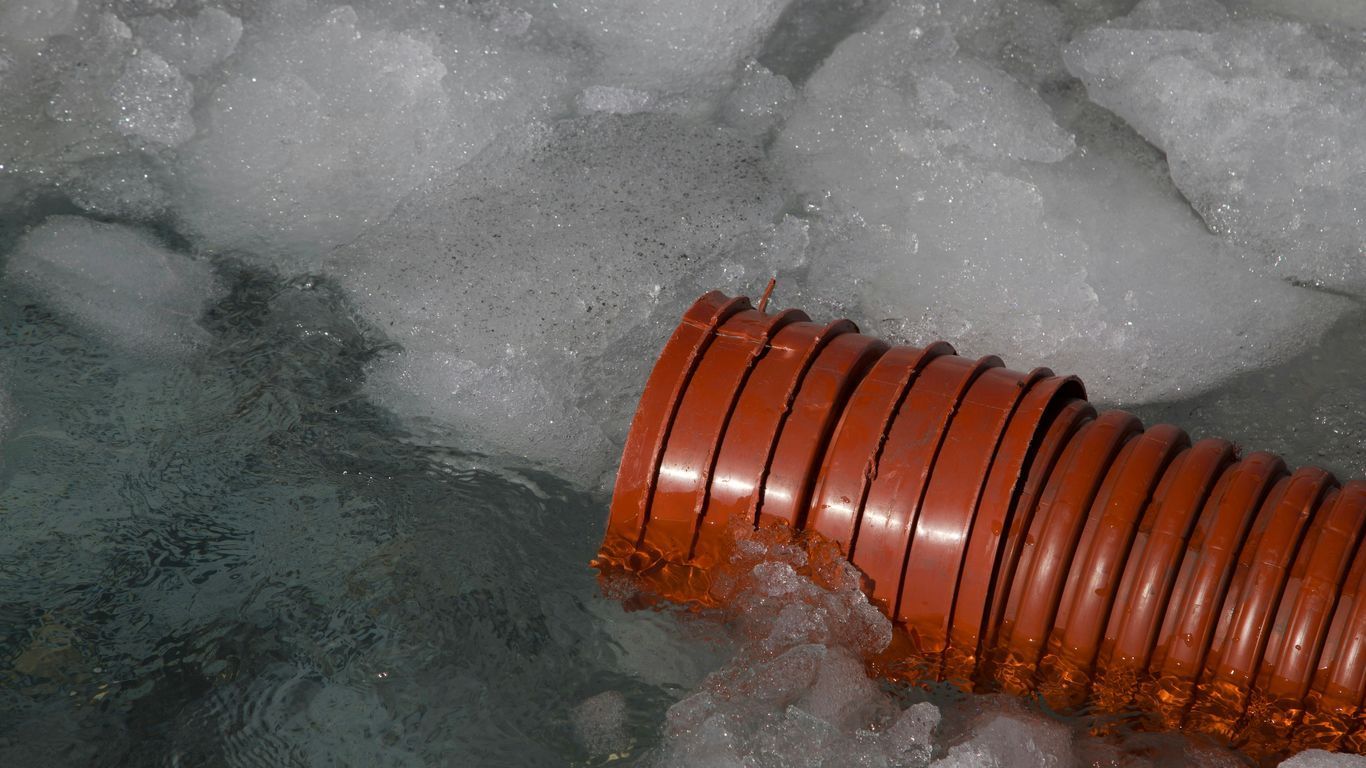
This is usually where the trouble starts. Any water sitting in a pipe that's exposed to freezing air can turn into ice. Think about it: wastewater needs to flow, but ice is a pretty solid roadblock. As more water tries to get through and freezes, the blockage just gets bigger. This ice expansion can actually crack your pipes. If the pipes leading to your septic tank freeze up, that wastewater has nowhere to go. It'll either get stuck or, worse, back up into your house through sinks, toilets, and showers. That's not just gross; it can cause water damage inside your home too. It’s a real headache, and dealing with frozen septic pipes can get expensive fast.
Impact on Septic Tanks and Baffles
While septic tanks are usually buried pretty deep, they aren't completely immune to freezing, especially if the system isn't used much. When there's no warm wastewater flowing through regularly, the temperature inside the tank can drop. Ice can form, particularly around the baffles – those are the things that separate the solids from the liquids. If ice builds up on these baffles, it can stop the tank from doing its job properly. This means waste won't be treated or moved along like it should be, and you might need a professional to come out and sort it after it thaws.
Vulnerability of the Drain Field
The drain field, also called the leach field, is where the treated wastewater finally goes into the soil. If this area gets saturated with water and then freezes, its ability to absorb liquid is pretty much gone. A frozen drain field doesn't thaw out quickly, especially if the soil is already compacted or doesn't drain well. This leads to wastewater pooling on the surface or backing up into the tank, affecting the whole system's function. It’s a tough spot because you can’t really do much until the ground thaws naturally.
Identifying Exposed Pipes as a Major Risk
Sometimes, the most obvious problems are the ones we overlook. When it comes to septic systems and freezing temperatures, exposed pipes are a big red flag. These are the parts of your system that are most vulnerable to the cold, and they can lead to some serious headaches if not protected.
Pipes in Unheated Spaces
Think about areas in your home that don't get much heat. This includes crawl spaces, unfinished basements, garages, and even attics. If your septic pipes run through these spots, they're basically sitting ducks when the temperature drops. Water inside these pipes can freeze much faster than in pipes that are surrounded by warm living spaces. It's like leaving a garden hose out in the frost – it's bound to freeze up.
Outdoor Plumbing Vulnerabilities
Anything outside your home's main heated envelope is at risk. This isn't just about the pipes you can see running along the exterior of your house. It also includes any part of the septic system that surfaces above ground, like cleanouts or access points, especially if they aren't properly insulated. Even pipes buried shallowly near the surface in areas that get particularly cold can be problematic.
Strain on Pipe Joints and Connections
Freezing isn't just about blocking pipes; it's also about expansion. When water freezes inside a pipe, it expands. This expansion puts a tremendous amount of pressure on the pipe itself, but also on the joints and connections where pipes meet. These connection points are often weaker than the straight sections of pipe. The pressure from expanding ice can cause these joints to crack or even separate , leading to leaks and potential sewage backups. It’s a domino effect: a small freeze can lead to a significant failure at a connection point.
Here's a quick look at why these exposed areas are so risky:
- Unheated Areas : Crawl spaces, attics, garages, and unfinished basements offer little to no protection from freezing temperatures.
- Above-Ground Components : Any part of the septic system that is exposed to the elements is susceptible.
- Shallow Burial : Pipes buried just below the frost line can still freeze during extended cold snaps.
- Joints and Fittings : These are often the weakest points in the system and are prone to damage from ice expansion.
"Ignoring these exposed sections is a gamble. The cost of preventative insulation is almost always less than the cost of repairing a burst pipe or dealing with a sewage backup. It's a simple matter of protecting the weakest links in your septic system before the cold weather does the damage for you."
Immediate Actions to Take for a Frozen Septic System
Okay, so your pipes might be frozen. It's not ideal, but don't panic. The most important thing right now is to stop using water. Seriously, hold off on flushing, showering, doing laundry – anything that sends water down the drain. Continuing to use water when the system is blocked can force sewage back up into your house, and trust me, that's a mess nobody wants. If drains remain slow or completely blocked after temperatures rise, it’s time to call Liberty Hill Septic & Excavation. Attempting DIY thawing without proper tools can damage your system.
Stop Water Usage Immediately
This is your absolute first step. Every flush, every shower, every load of dishes adds pressure to a system that can't handle it. Think of it like trying to push more stuff into an already overflowing trash can. It's just going to spill out everywhere.
- Cease all non-essential water use.
- Limit flushing to only when absolutely necessary
- Consider using portable toilets if the situation is severe and prolonged.
Look for Signs of Septic Backup
Keep an eye out for any plumbing weirdness. Slow drains are a big clue, and so are gurgling sounds coming from your toilets or sinks. If you see water backing up into your lowest drains, like a shower floor or a basement sink, that's a pretty clear sign that your septic system is struggling to move wastewater.
"If you notice sewage backing up into your home, it's a serious indicator that your septic system is completely blocked. This isn't just an inconvenience; it's a health hazard that needs prompt attention."
When to Call a Septic Professional
If you've stopped water usage and are still seeing backup or if you suspect your pipes are frozen solid, it's time to call in the pros. Trying to thaw frozen pipes yourself can be tricky and even dangerous. Professionals have the right tools and know-how to safely thaw your pipes without causing further damage. They can also assess if any actual damage occurred during the freeze.
- Persistent slow drains despite reduced water usage.
- Visible sewage backup into your home.
- Complete lack of drainage for any water used.
Safely Thawing Frozen Septic Pipes
Okay, so your septic system has decided to freeze up. Bummer. The first thing to remember is that gentle is the name of the game here. You don't want to cause more problems than you're trying to solve. Think of it like coaxing a stubborn mule, not wrestling a bear. Our team uses professional-grade thawing equipment designed to safely restore flow without damaging your septic pipes or tank components.
Gentle Thawing Methods
When you've got a frozen pipe, the goal is to warm it up slowly. Here are a few ways to do that:
- Hair Dryer or Heating Pad: This is probably your safest bet for accessible pipes. Start near the faucet end of the frozen section and slowly work your way towards the blockage. Keep the heat moving; you don't want to scorch one spot.
- Space Heater: If the frozen pipe is in a basement or crawl space, you can set up a space heater in the room. Just make sure it's a safe distance from anything flammable. This warms the air around the pipe, and eventually, the ice will start to melt.
- Warm Towels: Grab some old towels, soak them in warm (not boiling!) water, wring them out, and wrap them around the frozen part of the pipe. The moisture helps transfer the heat more evenly.
Hazards of Open Flames and Excessive Heat
Seriously, don't even think about using a blowtorch or any open flame. It's incredibly dangerous. You risk starting a fire, which is way worse than a frozen pipe. Plus, that kind of intense, direct heat can actually damage the pipe itself, making it brittle or even causing it to crack. Rapid temperature changes can shock the material, leading to new problems. It's just not worth the risk.
"Trying to thaw pipes too quickly with extreme heat can cause them to burst. This isn't just about the cost of repairing the pipe; a burst pipe can flood your home, leading to mold and extensive water damage that's a real headache to deal with."
Professional Thawing Equipment
Sometimes, the freeze is just too stubborn, or the pipe is in a really awkward spot. That's when it's time to call in the pros. Septic service companies have specialized equipment, like steam thawers or electric heating devices, that can safely and effectively melt ice blockages without damaging your system. They know how to handle these situations, and it can save you a lot of stress and potential damage. If you're unsure or the problem seems serious, don't hesitate to pick up the phone.
Inspecting for Damage After Thawing
So, you've managed to thaw out those stubborn septic pipes. Great job! But hold on a second, the job isn't quite done yet. Just because the water's flowing again doesn't mean everything is back to normal. Freezing temperatures and the thawing process itself can actually cause some sneaky damage that you need to look out for.
Ice Expansion and Pipe Ruptures
When water freezes, it expands. It's a simple fact of nature, but it can be brutal on your pipes. That expansion puts a ton of pressure on the pipe walls. Even if the pipe didn't completely burst during the freeze, the stress from the ice can create tiny cracks or weaken the material. As the ice melts, you might not see an immediate problem, but that weakened spot is now a prime candidate for a future leak or even a full-blown rupture.
Checking Compromised Joints and Connections
Think about all the places your pipes connect – the joints, elbows, and fittings. These are often the weakest points, especially when they're exposed to the elements or are in less-than-ideal locations. The expansion and contraction from freezing and thawing can put a lot of strain on these connections. You'll want to give them a good once-over. Look for any signs of separation, cracks, or even small drips that weren't there before. A little leak now can turn into a big, messy problem later.
Assessing Drain Field Functionality
Your drain field is the unsung hero of your septic system, and it's not immune to cold weather damage either. When the ground freezes, it can shift and heave. Then, as it thaws, it can settle unevenly, potentially crushing or disrupting the pipes buried there. This can lead to slow draining or even complete system failure. After thawing your pipes, pay attention to how your toilets flush and how quickly your drains empty. If things are still sluggish or you notice any gurgling sounds, it's a sign that your drain field might be suffering from the freeze-thaw cycle.
Preventing Future Septic Pipe Freezing
Okay, so we've talked about what happens when your septic pipes freeze, and that's no fun. But the good news is, you can take steps to stop it from happening again. It’s all about being a little proactive before the really cold weather rolls in.
Proactive Septic System Winterization
This is your first line of defense. Think of it like getting your car ready for winter – you check the fluids, the tires, all that. Your septic system needs a similar check-up. You want to make sure everything is in good shape before the temperature really drops. This means looking for any weak spots. Are there pipes sticking out that look unprotected? Is the insulation looking a bit thin anywhere? Catching these things early can save you a big headache later.
Insulating Exposed Pipes and Components
This is where you can really make a difference. Any pipes that are above ground, or running through places that don't get heated like crawl spaces or garages, are prime candidates for freezing. You can get special foam insulation sleeves that just slip right over the pipes. It’s pretty straightforward stuff. For those really vulnerable spots, you might even consider using heat tape. It’s basically an electrical cord that warms up and keeps the pipe from getting too cold. It’s a bit more involved, but it offers extra protection.
Maintaining Consistent Wastewater Flow
This might sound odd, but letting your septic system sit idle can actually make it more prone to freezing. When wastewater is regularly flowing through the pipes, it’s warmer than the outside air, which helps keep things from freezing up. Homes that aren't used all the time, like vacation places, are especially at risk. If you're going to be away for a while in the winter, it’s a good idea to either drain some of the water lines or, if that’s not possible, let a very small amount of water run continuously. This keeps the water moving and reduces the chance of it freezing solid.
"Don't underestimate the power of regular use. Consistent flow of wastewater is a natural insulator against freezing temperatures. If your system is rarely used, consider ways to simulate usage or take extra precautions."
Here’s a quick rundown of what to check:
- Inspect the tank: Look for any signs of leaks or damage. A healthy tank is less likely to have issues.
- Check the drain field: Make sure it's not waterlogged. Excess moisture can freeze and cause problems.
- Ensure clear flow: Confirm that wastewater is moving through the system without any obvious slowdowns.
If your system is older or has had freezing problems before, getting a professional to give it a once-over is a smart move. They can spot things you might miss and give you tailored advice.
Additional Winterization Tips for Septic Systems
Ensuring Proper System Functionality
Before the really cold weather sets in, it's a good idea to give your whole septic system a once-over. Think of it like a check-up for your home's hidden plumbing. You want to make sure everything is working as it should. This means checking that your tank isn't getting too full – if it is, it's time to get it pumped. A full tank means less room for wastewater, and that can lead to problems when it gets cold. Also, take a look at your drain field. Is it draining properly? If you've noticed any soggy spots or slow drains lately, those are signs that something might be off. Addressing these issues now can prevent bigger headaches later.
Managing Water Sources Near the System
Sometimes, water pooling around your septic tank or drain field can be a real problem when it freezes. This extra water can freeze and expand, putting pressure on your pipes and tank. Try to make sure that any downspouts or other water runoff from your house aren't dumping water right on top of your septic components. You might need to redirect them a bit. Also, be mindful of where snow melts. If large amounts of snowmelt collect over your system, it can create a similar issue. Keeping the ground above your septic system as dry as possible during freeze-thaw cycles is key.
Limiting Traffic on the Drain Field
Your drain field is where the treated wastewater from your septic tank slowly seeps into the soil. It's a pretty sensitive area. When the ground is frozen, driving or parking heavy equipment on it can cause serious damage. The frozen soil is brittle, and the weight can crush pipes or compact the soil, making it harder for the system to do its job. Even if the ground isn't frozen solid, heavy traffic can compact the soil, which reduces its ability to absorb water and can lead to issues down the line. It's best to keep vehicles and heavy foot traffic off the drain field, especially during the winter months.
"It's easy to forget about the septic system since it's out of sight, but it's working hard for you all year round. A little bit of attention before winter hits can save you a lot of trouble when the temperatures really drop. Think about what you'd do if your toilets stopped working – not a fun thought!"
Here are a few more things to keep in mind:
- Regular Use is Your Friend: Try not to let the system sit idle for too long, especially if you have a vacation home. Consistent use of water means warm wastewater is flowing through the pipes, which naturally helps prevent freezing. If you're going to be away, consider leaving a very low trickle of water running, or have someone flush toilets and run water periodically.
- Check for Frost Patches: Keep an eye on the ground above your septic tank and drain field. If you notice frost forming there when the rest of your yard doesn't have frost, it could be a sign that the soil cover is too thin or that there's an issue with how the system is functioning. Snow can actually act as a good insulator, so don't clear it away from the area unless absolutely necessary.
- Consider a Professional Pump-Out: If it's been a while since your tank was last pumped, getting it done before winter is a really smart move. A less-full tank has more capacity to handle wastewater, and it reduces the amount of solid waste that could potentially freeze and cause a blockage.
Understanding Ground Thaw Effects on Sewer Lines
Frost Heave and Soil Movement
So, the big freeze is over, and things are starting to thaw out. You might think you're in the clear, but that ground thaw can actually cause a whole new set of problems for your sewer lines. It's not just about the pipes themselves freezing; it's what happens to the ground around them. When the soil freezes, especially clay soil, it shrinks and pulls away from your pipes, leaving little empty spaces. Then, when it thaws, that soil expands again, and it can put a ton of pressure on those underground pipes. We're talking potentially thousands of pounds per square foot. This pressure can cause pipes to crack or even separate at the joints, particularly near your home's foundation where the line might be more exposed.
Sewer Line Bellies After Thawing
That shrinking and swelling of the soil during a freeze-thaw cycle can really mess with your sewer lines. Imagine the ground around your pipe shrinking, creating voids. When the thaw comes, the pipe, which is now unsupported in those spots, settles down into those gaps. This causes the pipe to sag, creating what's called a "sewer belly." It's basically a low spot in the line. This sag can lead to water pooling in that section of the pipe, which can cause backups and slow drains. Over time, it can also lead to leaks or further damage at the joints in that weakened area.
The Link Between Ground Thaw and Septic Backup
It's a bit counterintuitive, but many of the issues you see with your septic system after a cold snap don't show up during the freeze, but rather as the ground thaws. That pressure from expanding soil, the pipe settling into voids, or even a pipe rupture can all lead to wastewater not being able to flow properly away from your house. You might notice slow drains, gurgling sounds from your sinks or toilets, or even sewage backing up into your home. These symptoms can take a week or two to appear after the thaw really gets going. It's a good idea to keep an eye out for these signs, especially if you have clay soil, which tends to be more expansive when it freezes and thaws.
When the ground thaws, it can cause problems for underground pipes like sewer lines. The shifting soil can put stress on them, leading to cracks or breaks. This can result in messy backups and costly repairs. If you're worried about how ground thaw might affect your sewer system, it's smart to get it checked out. Visit our website to learn more about protecting your pipes and to schedule a professional inspection.
Don't Get Caught Off Guard Next Time
So, Texas might not get snow like up north, but those cold snaps can still mess with your septic system. We've seen how freezing temps can really cause problems, from pipes backing up into your house to needing some serious, and expensive, repairs. The good news is, a lot of this can be avoided. Taking a little time to get your septic system ready for colder weather, like insulating those exposed pipes and keeping things flowing, can make a big difference. And if the worst happens and something freezes? Acting fast and calling in the pros can help fix things up and stop more damage from happening.
Protect Your Septic System Before the Next Texas Freeze
Cold snaps in Central Texas may be unpredictable, but septic damage doesn’t have to be. Whether you’re dealing with frozen lines, slow drains, or need preventative winterization, Liberty Hill Septic & Excavation is here to help.
We proudly serve Liberty Hill and surrounding communities with professional septic repair, installation, excavation, and emergency services.
Don’t wait for sewage backup to happen. Contact Liberty Hill Septic & Excavation today.
Frequently Asked Questions
Why are Texas septic systems more likely to freeze than those in colder states?
Many homes in Texas aren't built with super cold weather in mind. Septic pipes and tanks might be buried closer to the surface or not have enough insulation. Since really cold weather doesn't happen often, people aren't always prepared for it when it does strike.
What are the first signs that my septic system might be frozen?
Watch out for slow drains, gurgling sounds coming from your pipes or toilets, or even sewage backing up into your sinks or showers. Unpleasant smells around your yard or near the septic tank can also be a clue.
How does freezing actually damage my septic system?
When water freezes inside pipes, it expands. This expansion can create a lot of pressure, potentially cracking or even bursting the pipes. Ice can also form in the septic tank or the drain field, stopping waste from flowing and being treated properly.
Are exposed pipes a big problem for septic systems in the cold?
Absolutely. Any part of your septic system that isn't buried deep underground or well-insulated, like pipes in crawl spaces, attics, or even outdoor plumbing, is at a much higher risk of freezing.
What should I do right away if I suspect my septic system is frozen?
Stop using water in your home immediately! This prevents more waste from entering the frozen pipes and causing backups. Then, look for the other signs of a frozen system, like slow drains or smells.
How can I safely thaw frozen septic pipes?
Never use open flames or super hot heat. This is dangerous and can damage your pipes. Try using a space heater in an unheated area or wrapping warm towels around accessible pipes. For tough freezes, it's best to call a professional who has special equipment.
What should I check for after my septic pipes have thawed?
Even after the ice melts, pipes can have cracks or leaks, especially at the joints. It's a good idea to have a professional check the whole system to make sure everything is still working correctly and hasn't been damaged by the ice expansion.
How can I prevent my septic pipes from freezing next time?
The best way is to prepare before winter. Insulate any exposed pipes, make sure your system is working well, and try to keep water flowing regularly. Diverting water sources away from the septic area and avoiding heavy traffic on the drain field can also help.