End-of-Year Property Checklist for Texas Homeowners
Texas homeowners, as the year comes to a close, now is the time to protect the systems that keep your property running, especially what’s underground. At Liberty Hill Septic & Excavation, we know that a little preventative care goes a long way in avoiding costly septic failures, drainage issues, and land damage. Need help preparing your property before winter?Schedule your end-of-year septic or excavation check with Liberty Hill Septic & Excavation.
Key Takeaways
- Getting your home ready for colder weather now can prevent costly repairs later. Protecting pipes and sealing drafts are simple steps that make a big difference.
- Checking on your home's comfort and safety systems, like fans, generators, and dryer vents, ensures everything is working right and reduces risks.
- Don't forget the outside. Inspecting your roof, gutters, and trees helps prevent winter damage and keeps your property looking good.
- A good look at your home's plumbing and electrical systems can catch small issues before they become major problems.
- Staying on top of year-end home maintenance can positively impact your property tax assessment, potentially saving you money.
Prepare Your Home For Cooler Temperatures
As the Texas heat starts to mellow out, it's the perfect time to get your home ready for the cooler months ahead. Ignoring these tasks now could mean dealing with bigger headaches, and frankly, higher bills, when the temperature really drops. Let's get ahead of it.
Protect Exposed Pipes From Freezing
In Texas, sudden freezes can put real stress on plumbing and septic lines. Protecting exposed pipes helps prevent backups and septic failures, issues we see every winter across the Hill Country. Whether it’s insulating your lines or assessing vulnerable areas, we can ensure your system is ready for cold snaps.
Seal Drafts Around Windows And Doors
Drafts don’t just affect comfort, they impact how your home’s systems perform. Poorly sealed areas can cause moisture issues that affect septic drain fields and soil absorption. Tightening up the envelope of your home protects more than just your energy bill. Not sure whether drafts are affecting your septic system’s drainage? Ask us during your property inspection.
Service Your Water Heater For Efficiency
A water heater running inefficiently can send excessive flow to your septic system. Maintaining it prevents unnecessary strain and keeps your system working as designed. For homeowners using aerobic systems, reduced water load makes a noticeable difference. Before that happens, it's a good idea to give it a little attention. If you haven't had it serviced in a while, consider calling a professional. They can check it over, flush out any sediment that might have built up (which can make it less efficient), and make sure it's running safely. A well-maintained water heater uses less energy, which is good for your wallet and the environment.
Inspect Attic Ventilation For Moisture
Proper attic ventilation helps regulate moisture levels around your home, important when you rely on septic and drainage systems that function best in balanced soil conditions. Moisture issues can affect grading, runoff, and even surface drainage. Need help correcting drainage or grading around your property? Our excavation team is here year-round.
Ensure Indoor Comfort And Safety
As the weather starts to shift, it's a good time to focus on making sure your home is a cozy and safe haven. Nobody wants to deal with a chilly draft when they're just trying to relax, or worse, a safety issue popping up unexpectedly. Let's get your indoor spaces dialed in.
Reverse Ceiling Fans For Warm Air Circulation
Did you know your ceiling fans can actually help keep you warmer in the winter? Most fans have a switch that lets you reverse the blade direction. When you set them to spin clockwise at a low speed, they push the warm air that rises to the ceiling back down into the room. It's a simple trick that can make a noticeable difference in how comfortable your living space feels, and it might even help you save a bit on heating costs. Just remember to check the fan's manual if you're not sure how to flip the switch.
Test Generators For Power Outage Readiness
Texas weather can be unpredictable, and power outages can happen. If you have a generator, now's the time to make sure it's ready to go. You don't want to find out it's not working when the lights go out.
Here’s a quick rundown on testing:
- Fuel Check: Ensure you have the correct type and amount of fuel. Store it safely and check its age; fuel can go bad.
- Start-Up: Run the generator for about 15-30 minutes. Listen for any unusual noises and check that it's producing power.
- Load Test: If possible, connect a small appliance or two to simulate a light load.
- Maintenance: Check the oil level and look for any obvious signs of wear or damage. Consider a professional check-up if it's been a while.
Having a reliable generator means you can keep essential appliances running and stay comfortable if the power grid goes down. It's a smart piece of home preparedness.
Clean Dryer Vents To Prevent Fire Hazards
This one is super important for safety. Lint buildup in your dryer vent is a major fire risk, especially as we start using our dryers more frequently in cooler weather. It's not just about efficiency; it's about preventing a serious accident.
Disconnect: Unplug your dryer and disconnect the vent hose from the back of the unit.
Clean the Vent: Use a specialized dryer vent cleaning brush or a vacuum cleaner with a hose attachment to remove lint from the ductwork. Make sure to get as far into the vent as you can.
Clean the Dryer: Don't forget to clean out the lint trap housing and the area behind it.
Reconnect: Reattach the vent hose securely and plug the dryer back in.
"A clogged dryer vent doesn't just pose a fire risk; it also makes your dryer work harder, using more energy and taking longer to dry clothes. Regular cleaning is a win-win."
Check Insulation Levels For Energy Efficiency
Good insulation is key to keeping your home warm without running up a huge energy bill. Think of it like a blanket for your house. If your insulation is old, settled, or just not enough, you're essentially letting warm air escape and cold air creep in.
- Visual Inspection: Head up to your attic (if you have one) and take a look. Can you see the joists easily? That's a sign you might need more insulation. Look for any damp spots or signs of pests, too.
- Type and Depth: Different types of insulation have different R-values (which measures resistance to heat flow). The recommended R-value varies by climate zone, but generally, more is better for Texas winters.
- Professional Assessment: If you're unsure about your insulation levels or suspect issues, consider getting an energy audit. Professionals can pinpoint exactly where you're losing heat and recommend the best solutions.
Address Exterior Maintenance Needs
As the cooler weather rolls in, it's time to give your home's exterior some attention. This isn't just about curb appeal; it's about protecting your biggest investment from the elements and preventing costly repairs down the line. Think of it as giving your house a good, solid hug before winter really sets in.
Inspect Roof and Gutters For Winter Damage
Clogged gutters don’t just damage roofs, they redirect water toward septic fields, driveways, and foundations. Managing water flow is critical for proper drainage. If you notice runoff pooling on your land, Liberty Hill Septic & Excavation can assess whether regrading or drainage solutions are needed. Ask about our customized drainage and regrading solutions for rural Texas properties.
Trim Trees and Shrubs Near the House
Overgrown branches can be a real problem. They can rub against your roof or siding, causing damage, and they can also provide a convenient highway for pests to get into your home. Plus, heavy limbs can break in strong winds or ice, potentially falling on your house. Take some time to trim back any trees and shrubs that are getting too close for comfort. This also helps improve airflow around your home.
Clean Exterior Surfaces and Fences
Give your siding, decks, and fences a good cleaning. Algae, mold, and dirt can build up over time, especially in shaded areas. Cleaning these surfaces not only makes your home look better but also helps prevent rot and decay, extending their lifespan. A good power wash can work wonders, just be sure to use the right settings for your materials.
Check Outdoor Lighting Fixtures
With the days getting shorter, good outdoor lighting is more important than ever. Check all your exterior light fixtures to make sure they're working correctly. Replace any burnt-out bulbs and make sure the fixtures are securely attached. This is also a good time to clean any grime or cobwebs off the fixtures themselves. Proper lighting can deter potential intruders and make your property safer to navigate after dark.
Review Your Home's Systems
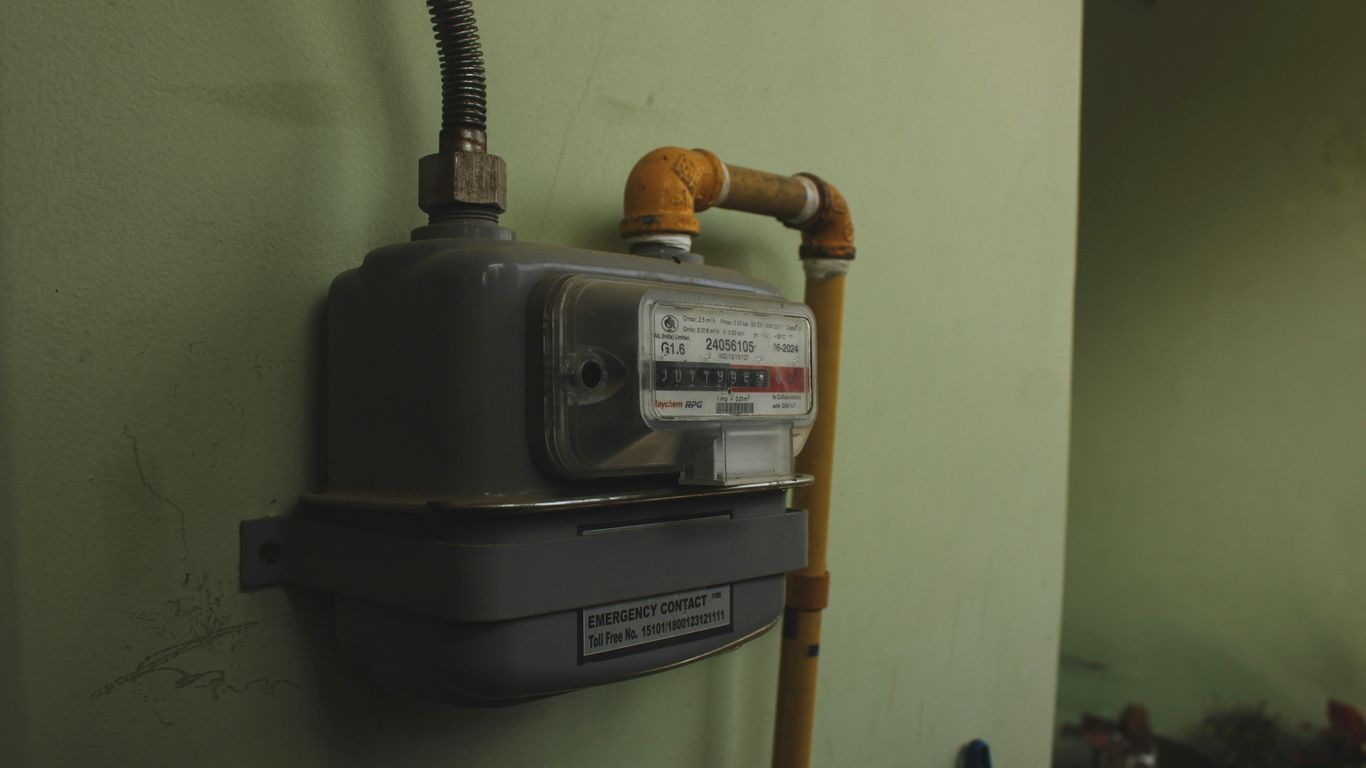
As the year winds down, it's a smart move to take a good look at the guts of your home – the systems that keep it running smoothly. Think of it like a check-up for your house. We're talking about the plumbing, the electrical, and all those other bits that you might not think about until something goes wrong.
Evaluate Plumbing For Leaks And Pressure
End-of-year is the best time to evaluate the systems that support your septic system’s performance. Plumbing leaks, excess water load, or electrical issues with aerobic pumps can escalate into costly emergencies. A quick systems check today protects your entire property. Schedule your annual septic system inspection before cooler weather hits.
Inspect Electrical Panel For Safety
Your electrical panel is the heart of your home's power. After a summer of running air conditioners and other appliances, it's worth a look. Check for any signs of overheating, like discolored outlets or a strange smell. If your circuit breakers trip often, that's a definite signal something needs attention. It's not something to mess with if you're unsure, so calling in an electrician is often the best bet.
Test GFCI Outlets For Proper Function
Ground Fault Circuit Interrupter (GFCI) outlets are those special ones you find in bathrooms, kitchens, and outdoor areas. They're designed to shut off power quickly if they detect a fault, which is a big safety feature. Humidity and temperature changes can sometimes affect them, so it's wise to test them. Most have a 'Test' and 'Reset' button. Push 'Test'; it should click off. Then push 'Reset' to turn the power back on. If it doesn't work, it needs to be replaced by a professional.
Examine Caulking Around Fixtures
Caulking is that sealant stuff around your tubs, sinks, and showers. Summer heat can cause it to shrink and crack. When that happens, water can get behind tiles or under sinks, leading to mold or even structural damage. Take a walk around your bathrooms and kitchen and check the caulk. If it looks old, cracked, or is pulling away, it's time to re-caulk. It's a pretty straightforward DIY job that makes a big difference in keeping moisture out.
"Keeping your home's core systems in good shape isn't just about preventing expensive repairs; it's about peace of mind. Knowing your plumbing won't burst and your electrical system is safe is a big deal, especially as we head into a new year."
Plan For Property Tax Considerations
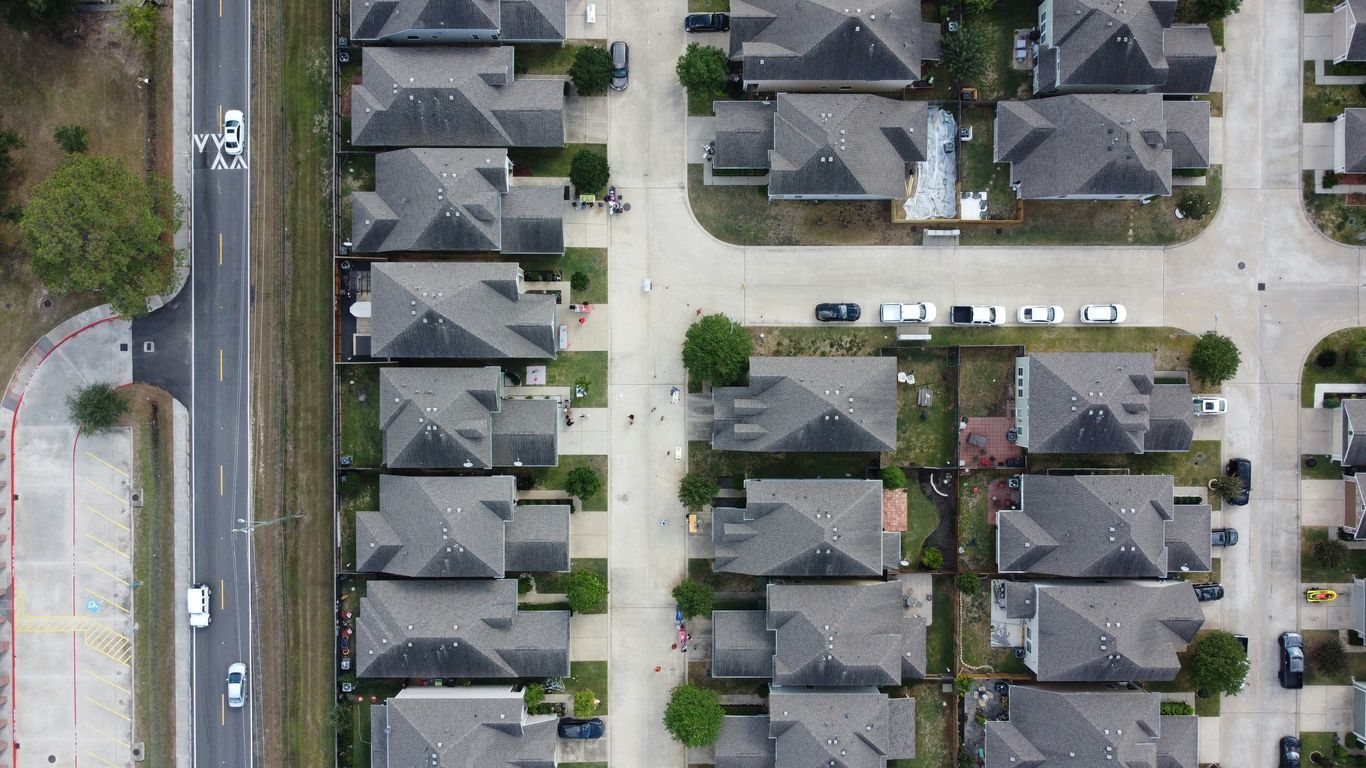
Property maintenance, even underground, can affect how your home is assessed. A well-maintained septic system, proper drainage installation, and safely cleared land all contribute to a healthier property valuation. Request a documentation report of your septic or excavation upgrades, helpful during property tax reviews.
Understand How Maintenance Affects Assessments
Local tax assessors look at your home's condition when they figure out its value for tax purposes. If your house looks neglected, they might assume it needs a lot of work, which could lead to a lower assessed value. On the flip side, a well-cared-for home might be valued higher. It's a bit of a balancing act. Think about it: if you've got a leaky roof or peeling paint, that's a sign of needed repairs, and that can factor into the assessment. Staying on top of things means you're less likely to have an assessment that feels out of sync with reality.
Proactive Upkeep Reduces Long-Term Costs
Honestly, nobody likes surprises, especially when they involve money. Regular maintenance, like fixing a small crack in the foundation or cleaning out your gutters before the heavy rains, can stop minor issues from turning into major, expensive headaches. These preventative steps save you money in the short term by avoiding emergency repairs and can also help keep your property's assessed value more stable. It's like going to the doctor for a check-up; catching things early is always better (and cheaper) than waiting until you're really sick.
Consider Professional Tax Assessment Help
Sometimes, even with the best intentions, you might feel like your home's assessed value just isn't right. Maybe you've done all the upkeep, but the tax bill still seems too high. That's where professional help can come in. There are services that specialize in reviewing property tax assessments and can help you protest if you believe it's inaccurate. They know the ins and outs of the system and can be a real asset, especially if you're new to Texas or just don't have the time to deal with the paperwork yourself. It's a way to make sure you're paying a fair amount based on your property's actual condition and market value.
"Keeping your home in good repair is a smart financial move. It protects your investment, makes it more enjoyable to live in, and can even help lower your property tax burden. Don't let small issues snowball into big problems that affect both your wallet and your peace of mind."
Enhance Energy Efficiency
As the weather cools down here in Texas, it's a good time to think about how your home uses energy. You don't want to be paying a fortune to heat your house, only to have all that warm air escape. Making a few smart checks now can really make a difference in your utility bills.
Seal Air Leaks in Windows and Doors
This is a big one. Over the summer, things expand and contract, and sometimes that means little gaps can form around your windows and doors. You might not even notice them, but they let the warm air out and the cold air in. Take a walk around your house and feel for any drafts. If you find some, adding or replacing weather-stripping is usually a pretty simple fix. It's amazing how much difference a good seal makes. You can also check around electrical outlets and vents for any sneaky leaks.
Assess Attic Insulation for Gaps
Your attic is like the hat on your house. If it's not insulated well, all your heat will just go right up and out. Check to see if your insulation looks settled or if there are any bare spots. Sometimes, pests can make nests up there and disturb the insulation, or moisture can cause it to clump up. If you're not sure how to check it properly, it might be worth getting a professional to take a look. Proper attic insulation is key to keeping your home warm and cutting down on heating costs. Check insulation levels for energy efficiency.
Schedule Professional Energy Audits
If you've noticed your energy bills have been higher than usual, or you just want to be sure your home is as efficient as possible, consider getting a professional energy audit. These folks have special tools to find leaks and insulation problems you might miss. They can give you a clear picture of where your home is losing energy and what you can do about it. Sometimes, your local utility company might even offer rebates for making energy efficiency upgrades, which is a nice bonus.
Check HVAC Filters Regularly
This is probably the easiest thing on the list. Your heating and cooling system (HVAC) has filters that catch dust and debris. When these filters get clogged, your system has to work harder to push air through, using more energy. It's a good idea to check them every month or two and swap them out when they look dirty. It’s a small task that helps your system run better and keeps your air cleaner.
"Keeping your home sealed up tight and well-insulated isn't just about comfort; it's about saving money. Those little drafts and thin spots in your insulation add up, making your heating system work overtime. Taking a bit of time now to address these issues can lead to noticeable savings on your energy bills throughout the cooler months."
Prioritize Safety Checks
As the year winds down, it's a good time to double-check that your home is safe and sound. This isn't just about comfort; it's about preventing accidents and making sure your family is protected, especially with cooler weather potentially bringing more time indoors and increased use of heating systems.
Test Smoke and Carbon Monoxide Detectors
These devices are your first line of defense against fires and dangerous gas leaks. Don't wait for an alarm to tell you they aren't working. It's recommended to replace the batteries in all your smoke and carbon monoxide detectors at least once a year, or whenever they start chirping. It's also a good idea to test them monthly by pressing the test button. If your detectors are older than 10 years, it's time to replace the entire unit. This simple step can make a huge difference.
Prepare Emergency Supply Kits
Power outages can happen, especially during severe weather. Having a well-stocked emergency kit means you're ready for anything. Think about what you'd need if the power went out for a few days:
- Water (one gallon per person per day)
- Non-perishable food and a manual can opener
- Flashlights with extra batteries
- A first-aid kit
- Medications (prescription and over-the-counter)
- A battery-powered or hand-crank radio
- Chargers for your electronic devices
- Blankets
Keep these kits in an accessible place, like a closet or basement, so you can grab them quickly if needed.
Review Your Homeowner's Insurance Policy
When was the last time you actually looked at your homeowner's insurance policy? It's easy to just let it renew year after year, but your needs might have changed. Take some time to review your coverage. Make sure it still aligns with the value of your home and your belongings. It's also a good time to check if you have adequate coverage for potential risks in our area, like severe storms. If you've made any significant upgrades or additions to your home, be sure to update your policy accordingly. You can find helpful resources on weather preparedness from the Texas Department of Insurance.
Inspect Window Frames For Rot
Wood window frames can be susceptible to rot, especially if they've been exposed to moisture over time. Check around the frames, both inside and out, for any signs of softness, crumbling wood, or mold. Pay close attention to the bottom edges of the frames where water tends to collect. If you find any rot, it's best to address it promptly. Small areas might be repairable, but significant damage could mean replacing the entire window frame to prevent further issues and maintain your home's integrity. This is also a good time to check the weatherstripping and seals around your windows to prevent drafts and keep your home warm. For more on keeping your home sealed against the elements, consider checking your HVAC system maintenance.
Maintain Outdoor Living Spaces
As the weather cools down here in Texas, it’s time to give your outdoor areas some attention before winter really sets in. Neglecting these spots can lead to bigger problems down the road, and honestly, who wants to deal with that?
Prepare Irrigation Systems For Reduced Use
Your sprinklers have been working hard all summer, but now it’s time to ease up. You don't want water sitting in the lines when it gets cold, because that can cause them to burst. It’s a good idea to check your sprinkler heads for any damage that might have happened over the warmer months. Adjust your watering schedule to match the season – less water is usually needed when it's cooler.
- Shut off the main water supply to the irrigation system.
- Drain any remaining water from the pipes and sprinkler heads.
- Adjust the timer or controller to a minimal setting or turn it off completely.
Clean And Store Outdoor Furniture
Those patio chairs and tables have seen better days, right? Give them a good wipe-down to get rid of dirt, pollen, and any lingering grime. Once they're clean and dry, find a good spot to store them. A shed, garage, or even a sturdy tarp can protect them from the elements. This simple step helps your furniture last much longer.
Winterize Pools And Water Features
If you have a pool or a decorative water feature, it needs some special care before winter. This usually involves cleaning out debris, lowering the water level, and adding specific chemicals to prevent freezing and algae growth. For pools, you might need to cover them securely. It’s a bit of work, but it saves a lot of hassle when spring rolls around.
Drain And Store Hoses
Don't forget about your garden hoses! Water left inside can freeze and crack the hose, making it useless. Disconnect them from the spigot, drain out all the water you can, and then coil them up neatly. Storing them in a garage or shed keeps them out of the way and protected from harsh weather. It’s a small task that prevents you from having to buy new hoses next year.
"Taking care of your outdoor spaces now means they'll be ready to go when the weather warms up again. Plus, it keeps your property looking sharp year-round."
Budget For Year-End Home Maintenance
Alright, let's talk about the money side of keeping your Texas home in good shape as the year winds down. It’s easy to just think about the tasks, but figuring out the cost is just as important. Planning your budget now can save you a lot of headaches and cash down the road.
Prioritize Preventative Maintenance Tasks
Think of this as investing in your home's future. Taking care of small things now stops them from becoming big, expensive problems later. It’s like getting a regular check-up at the doctor – way better than waiting until you're really sick.
- Seal up drafts: Weatherstripping doors and windows might cost a bit upfront, but it pays off in lower heating bills. You can often find good deals on materials at hardware stores.
- Inspect your roof and gutters: A quick look for loose shingles or clogged gutters can prevent water damage, which is not cheap to fix.
- Service your HVAC system: Getting your heater checked before it gets really cold ensures it runs efficiently and avoids a breakdown on the chilliest night of the year.
Avoid Unexpected Emergency Repairs
Nobody likes surprises when it comes to home repairs, especially surprise bills. A little bit of proactive work can keep those emergency calls to a minimum. You know, like when a pipe bursts because you didn't insulate it? Yeah, let's avoid that.
Plan For Potential Professional Services
Sometimes, you just need a pro. Maybe your roof needs a serious look, or you're not comfortable messing with the electrical panel. It’s wise to have a little extra in your budget for those times when a DIY job just won't cut it. Getting a couple of quotes beforehand can also help you manage these costs better.
"Setting aside money for home maintenance isn't just about fixing things when they break. It's about protecting your investment, keeping your family safe and comfortable, and making sure your home runs smoothly, especially when the weather decides to do its own thing here in Texas. A little planning goes a long way."
Getting your home ready for the end of the year doesn't have to be a headache. Planning ahead for maintenance tasks can save you time and money. Think about checking your heating system, cleaning out gutters, and making sure your plumbing is in good shape. A little effort now can prevent bigger problems later. Visit our website to learn more about keeping your home in top condition all year round!
Wrapping It Up
Preparing your property for the end of the year is one of the smartest investments you can make, especially when it comes to septic systems, drainage, and land stability. Whether you need pumping, repairs, new installation, excavation, or grading, Liberty Hill Septic & Excavation is here to help protect your property before winter hits. Schedule your year-end property inspection today.
Frequently Asked Questions
Why is it important to do home maintenance in the fall in Texas?
Even though Texas winters are usually mild, sudden cold snaps can still cause damage. Doing maintenance in the fall helps get your home ready for cooler weather, prevents pipes from freezing, and makes sure your heating system works well. It's like giving your house a check-up before winter arrives.
What are the most important things to check outside my house before winter?
You should look at your roof and gutters to make sure they're okay after summer storms. Also, trim any trees or bushes that are too close to your house. Cleaning outdoor lights and surfaces makes your home look good and can help prevent problems.
How can I make sure my home stays warm and safe during colder months?
Seal up any drafts around windows and doors to keep cold air out. You can also reverse your ceiling fans to push warm air down. Testing your generator is a good idea in case the power goes out, and cleaning dryer vents helps prevent fires.
What should I do about my home's plumbing and water heater before winter?
It's smart to protect any pipes that might freeze, especially those outside or in unheated areas. Letting faucets drip a little during a hard freeze can help. Draining sediment from your water heater makes it work better and last longer.
How does home maintenance affect my property taxes in Texas?
Keeping your home in good shape can help prevent tax officials from thinking it needs a lot of expensive repairs. A well-maintained home might get a lower tax assessment, which means you could pay less in property taxes. It's a way to show your home is in good condition.
What's the best way to save money on home maintenance throughout the year?
The best way is to do regular check-ups and fix small problems before they become big, expensive ones. Budgeting for seasonal tasks, like cleaning gutters in the fall or checking insulation before summer, helps avoid surprise repair bills and keeps your home running efficiently.
Should I do all the fall maintenance myself, or hire someone?
Simple tasks like checking for drafts or cleaning gutters can often be done by yourself. However, for things like checking the roof, electrical systems, or plumbing, it's usually best to call a professional. They have the right tools and knowledge to do the job safely and correctly.
What safety checks are important for homeowners in the fall?
Make sure your smoke detectors and carbon monoxide detectors are working properly by testing them and changing the batteries. Also, check your homeowner's insurance policy to make sure it still covers everything you need. Having an emergency kit ready is also a smart move.